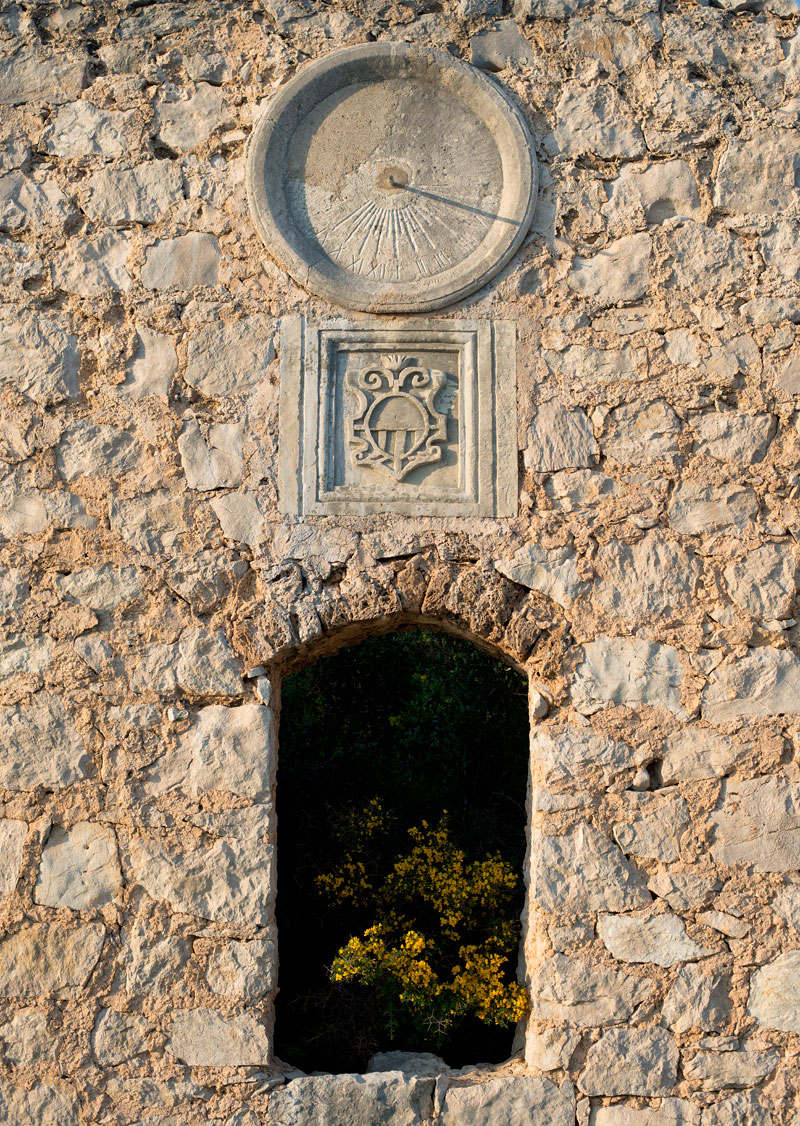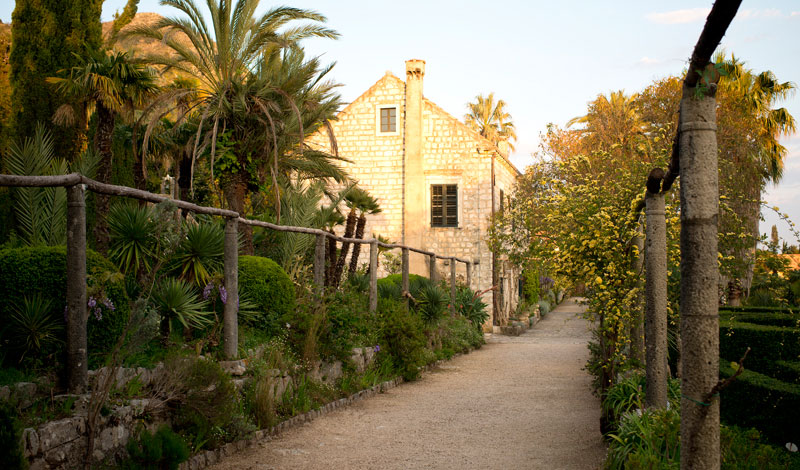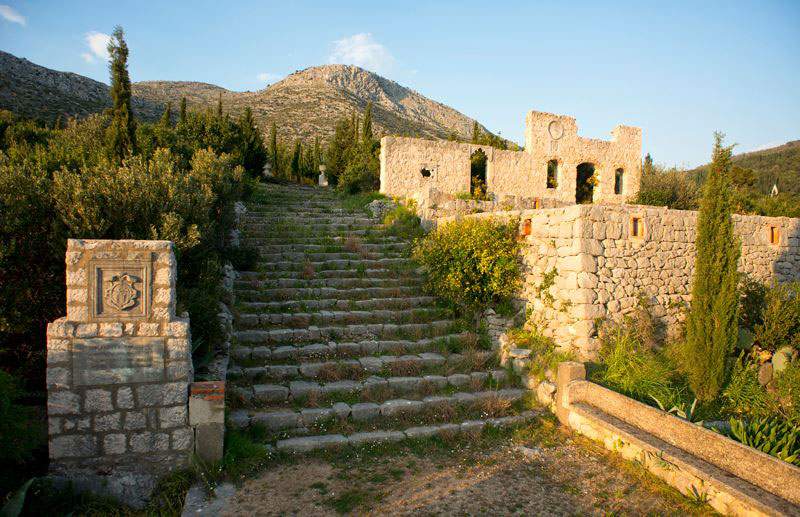


The Arboretum Trsteno of the Croatian Academy of Sciences and Arts is the most important architectural and landscape complex of Adriatic Croatia from older historical periods, which testifies to the land estate culture of life of the Croatian nobility in the period of late feudalism.
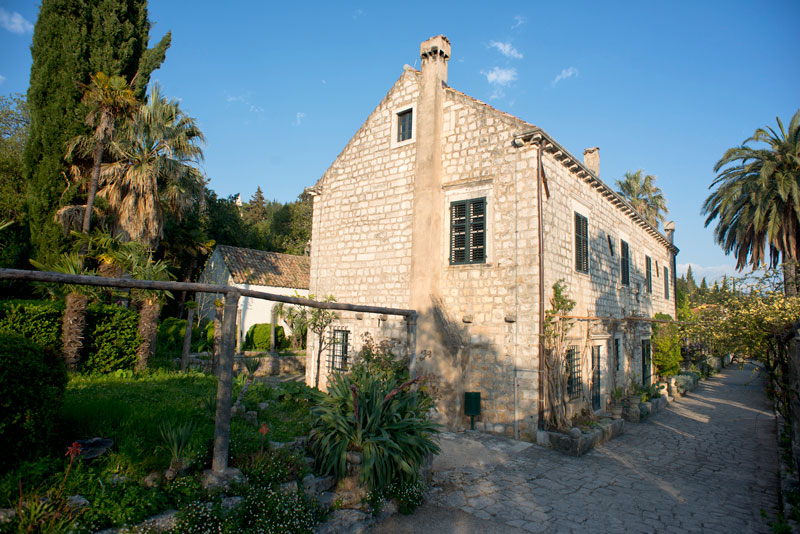
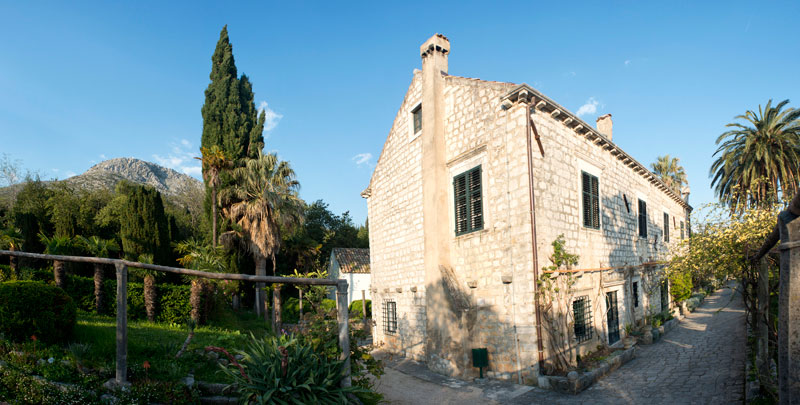
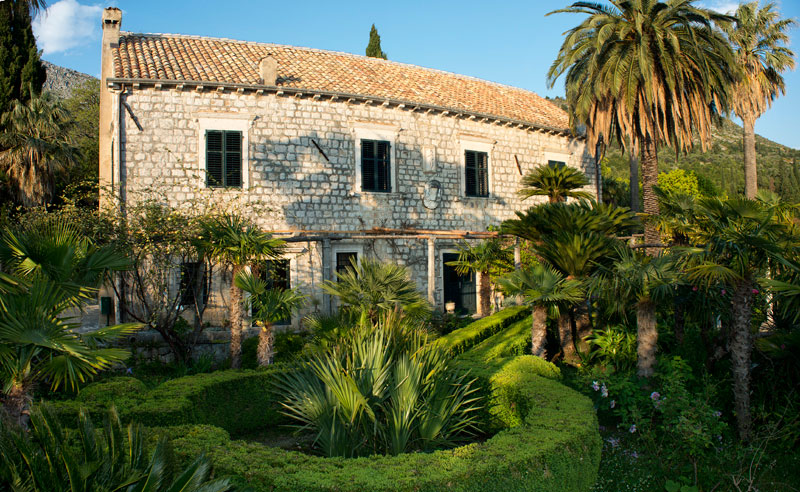
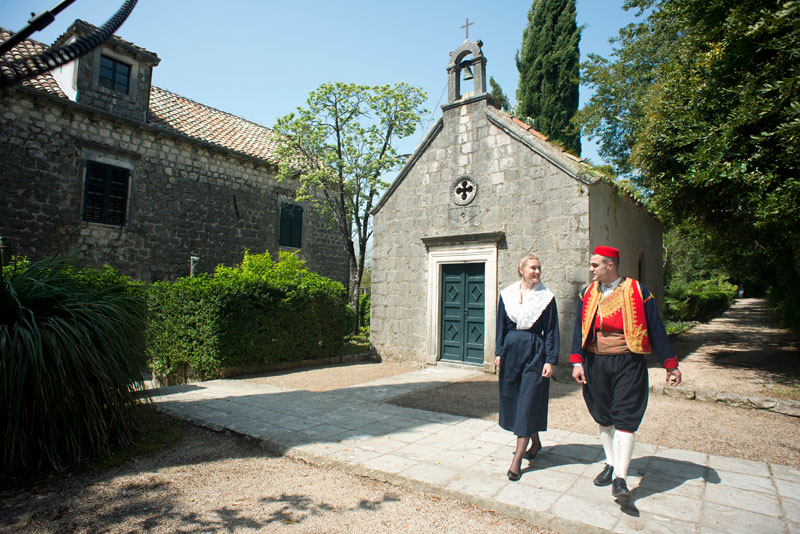
A summer villa with a valuable inventory, a garden with the features of the arboretum, historic buildings and garden equipment - all this makes an exceptional monumental complex - not only for Dubrovnik's culture but also for Croatian cultural heritage.
The Arboretum Trsteno, located in Trsteno (Dubrovnik), is one of the Academy's units. Out of a total of 27 scientific units and 7 museum-gallery units within the Academy, the Arboretum is special due to several features - scientific, cultural-gallery, teaching, educational and tourist features.
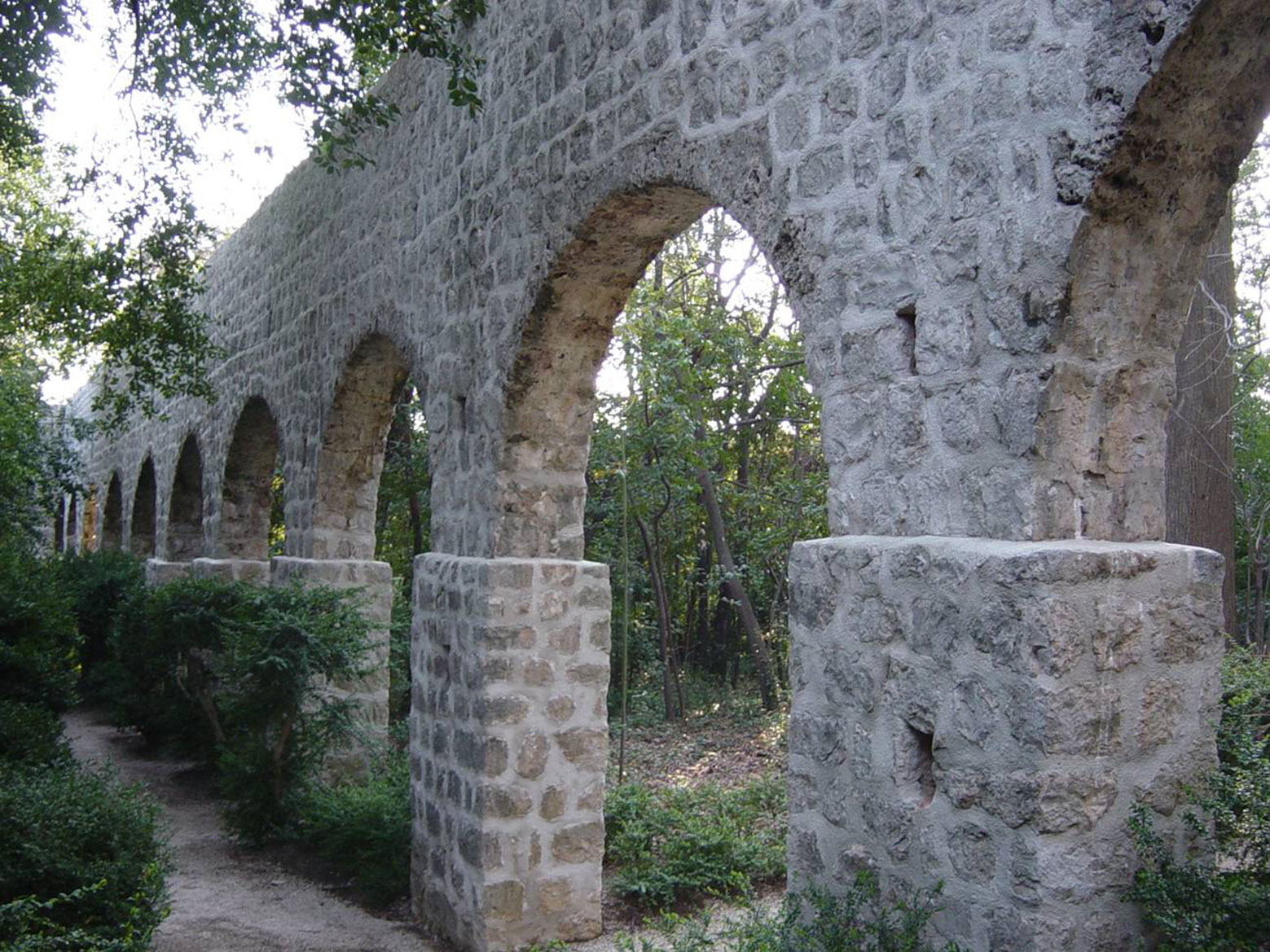
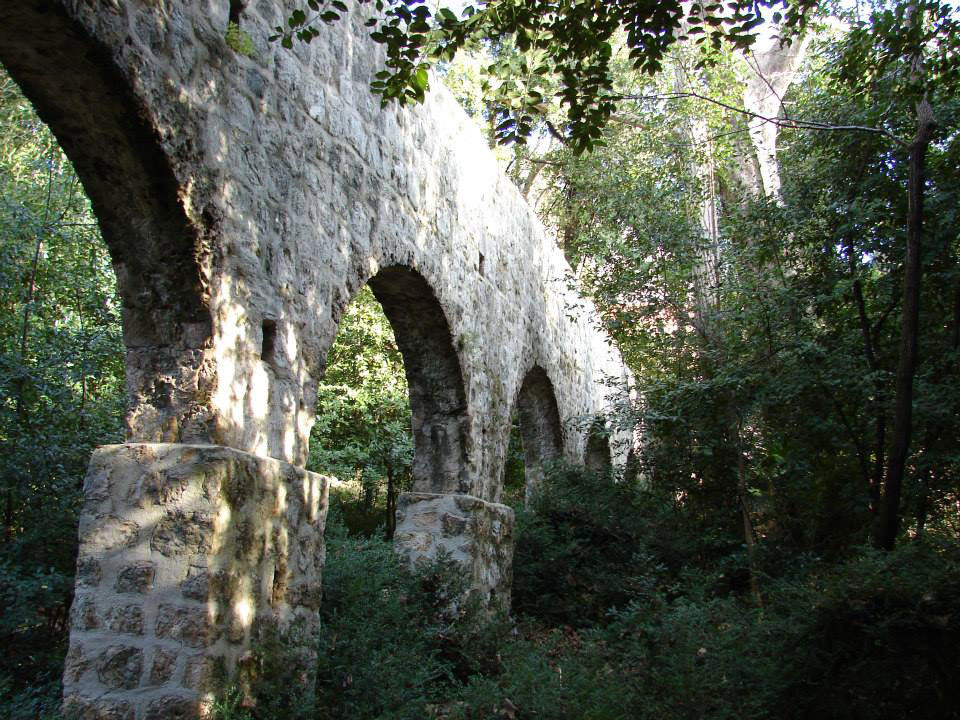
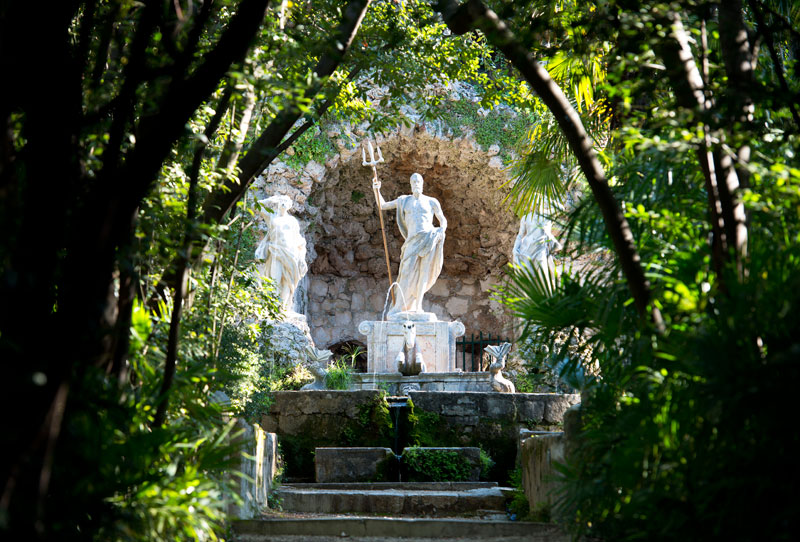
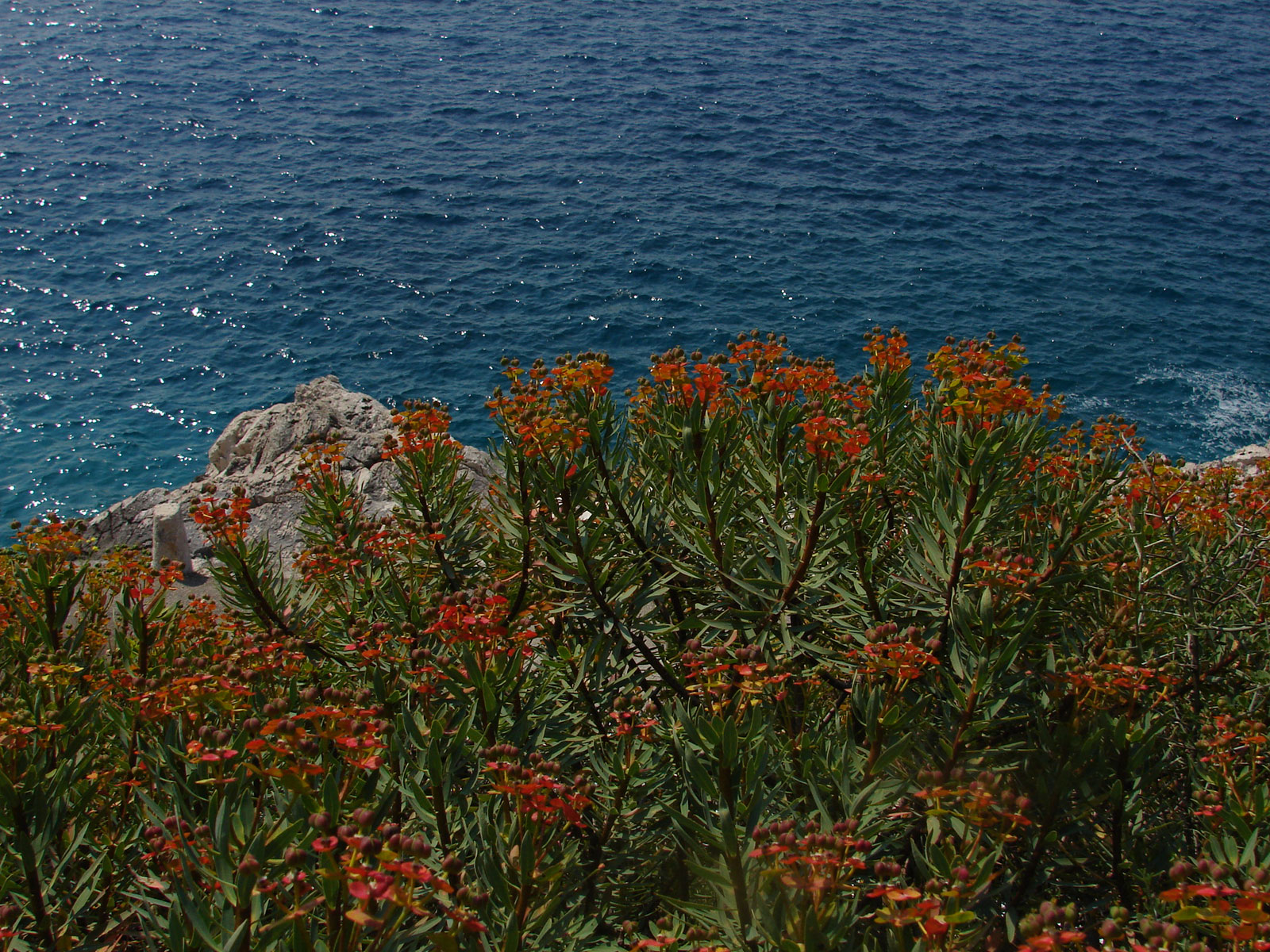
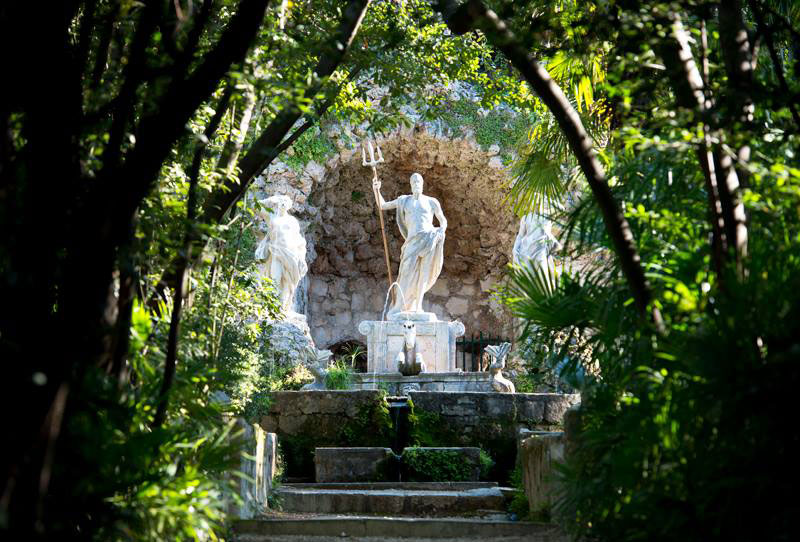
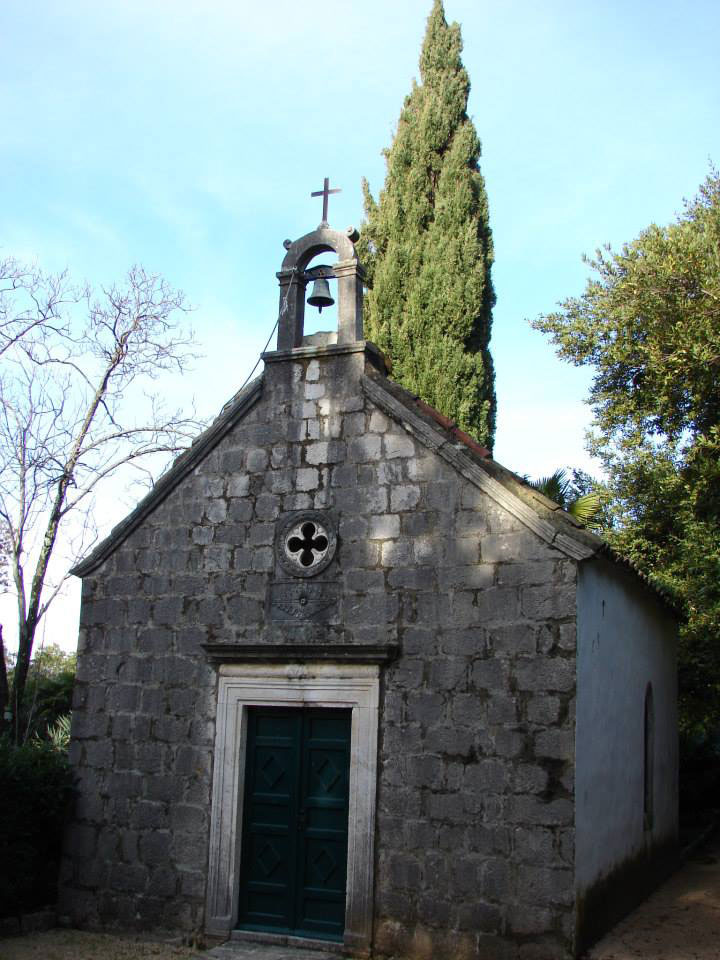
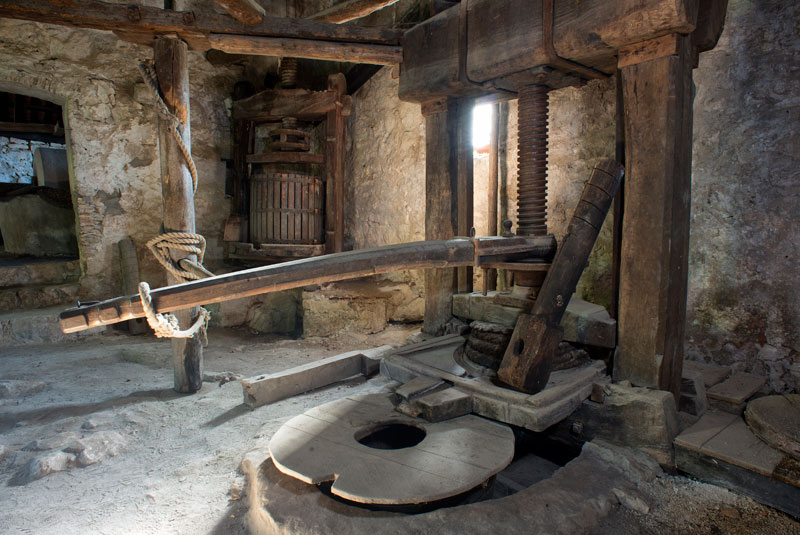
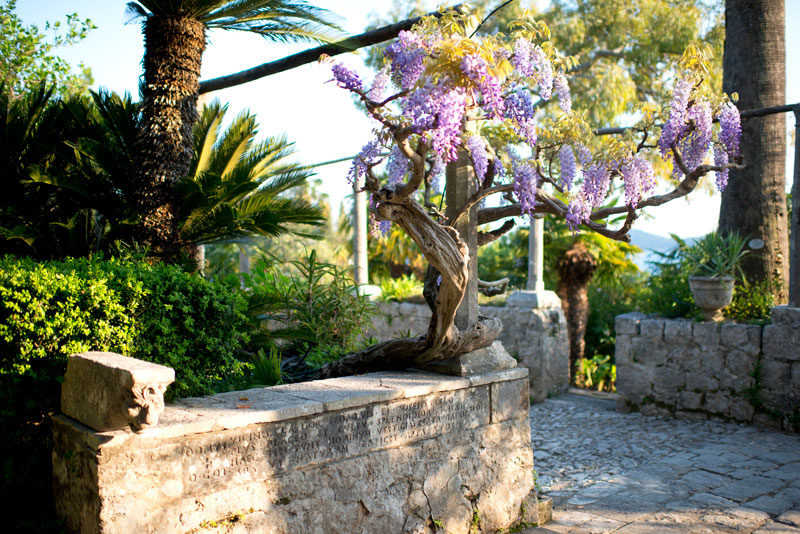
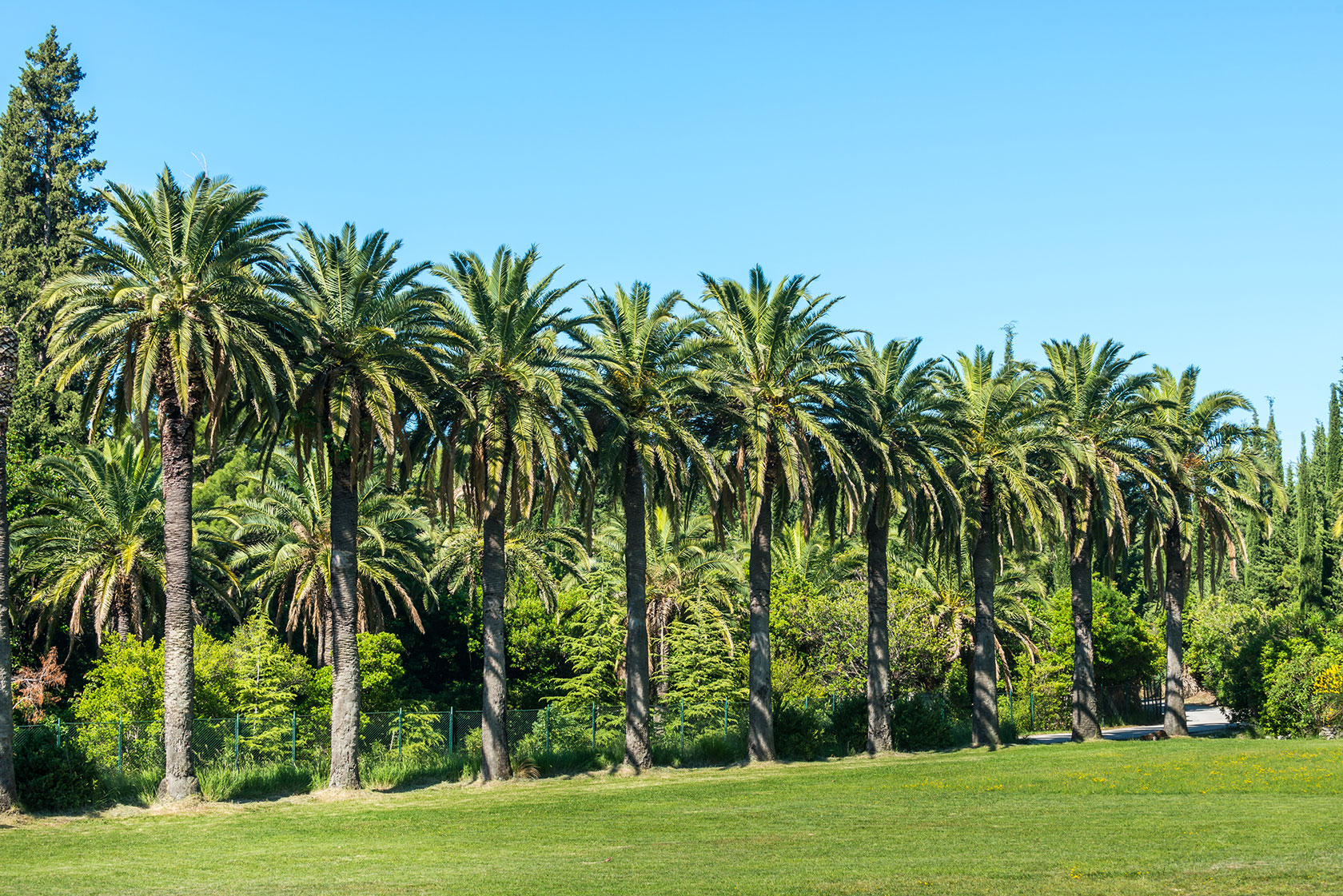
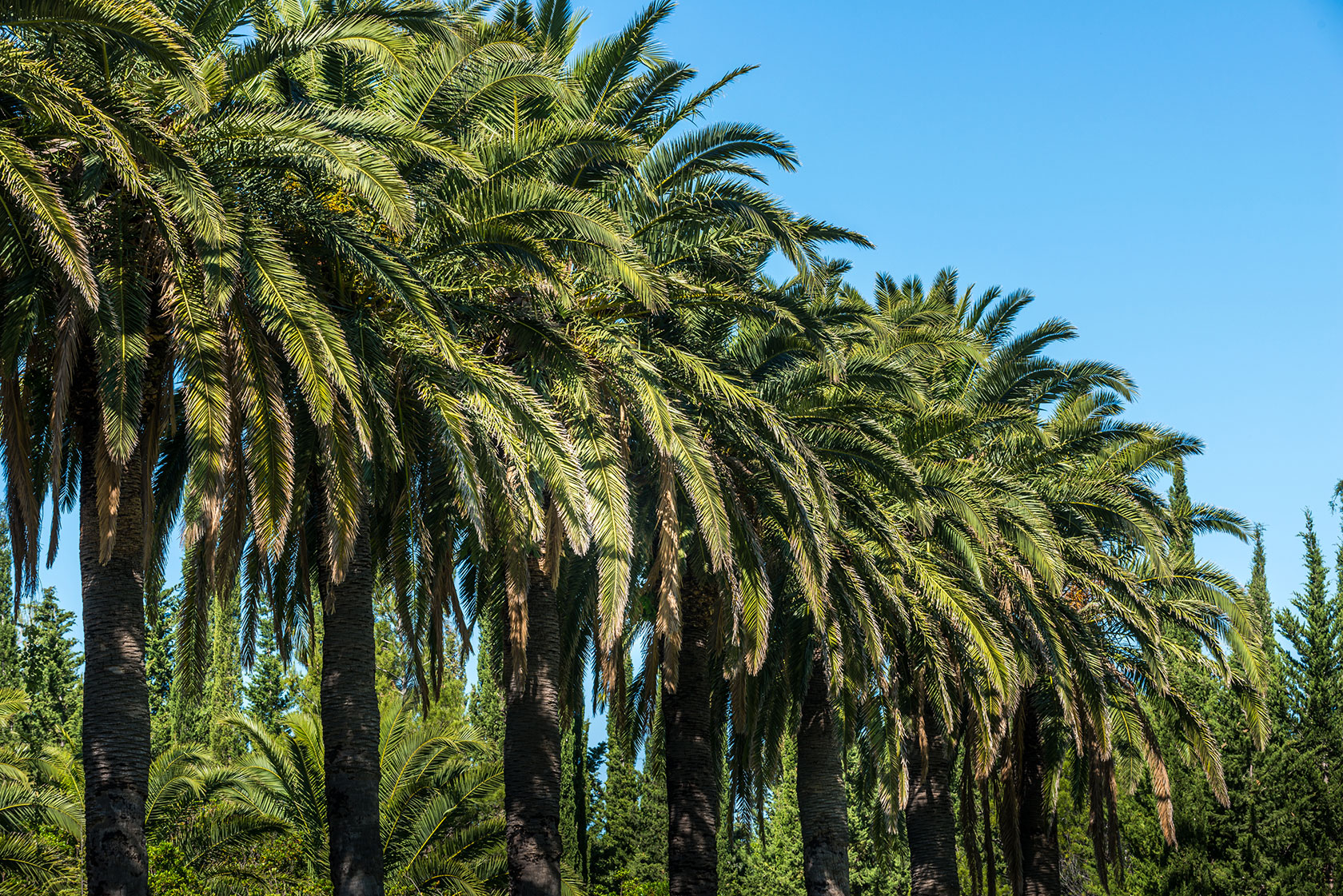
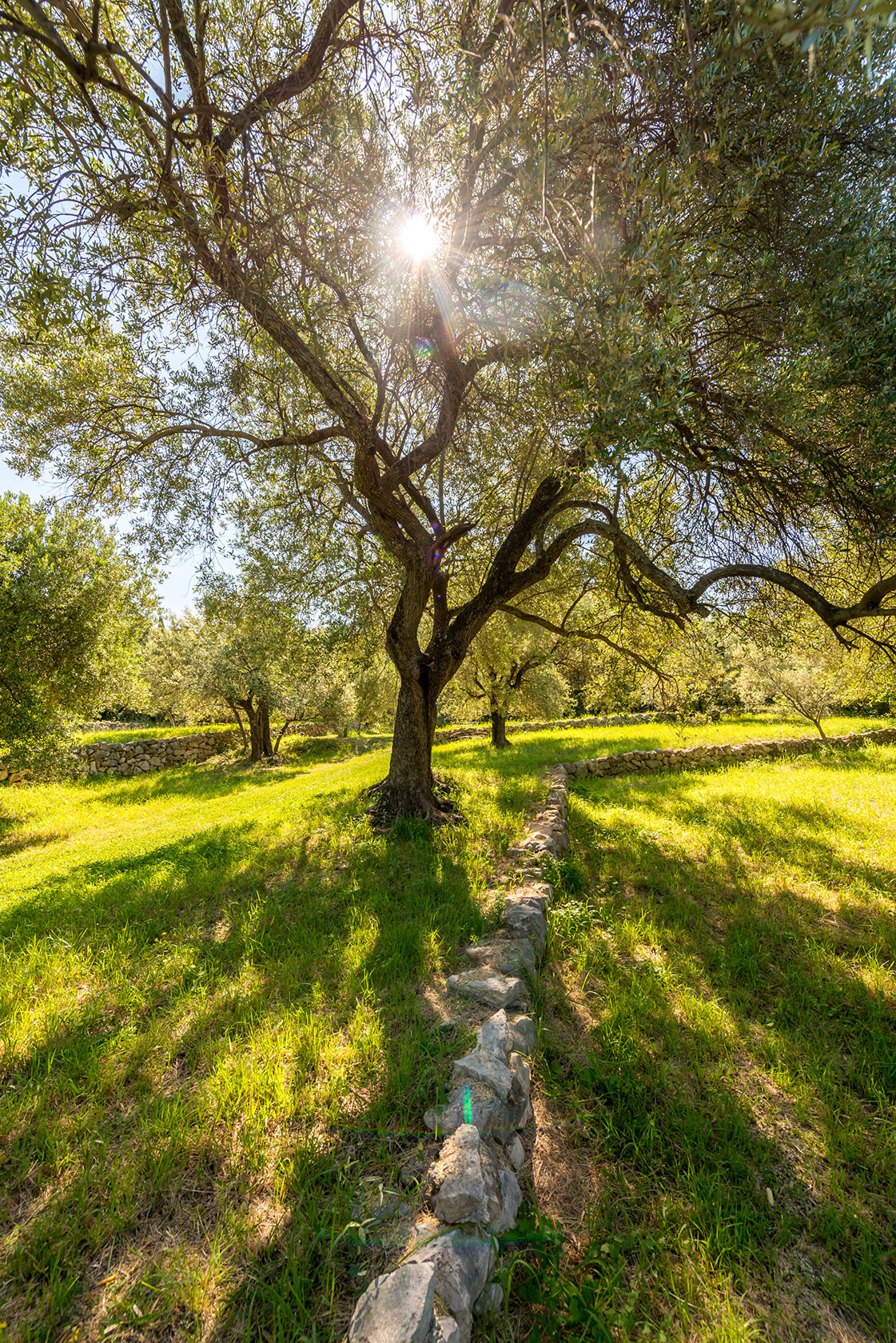
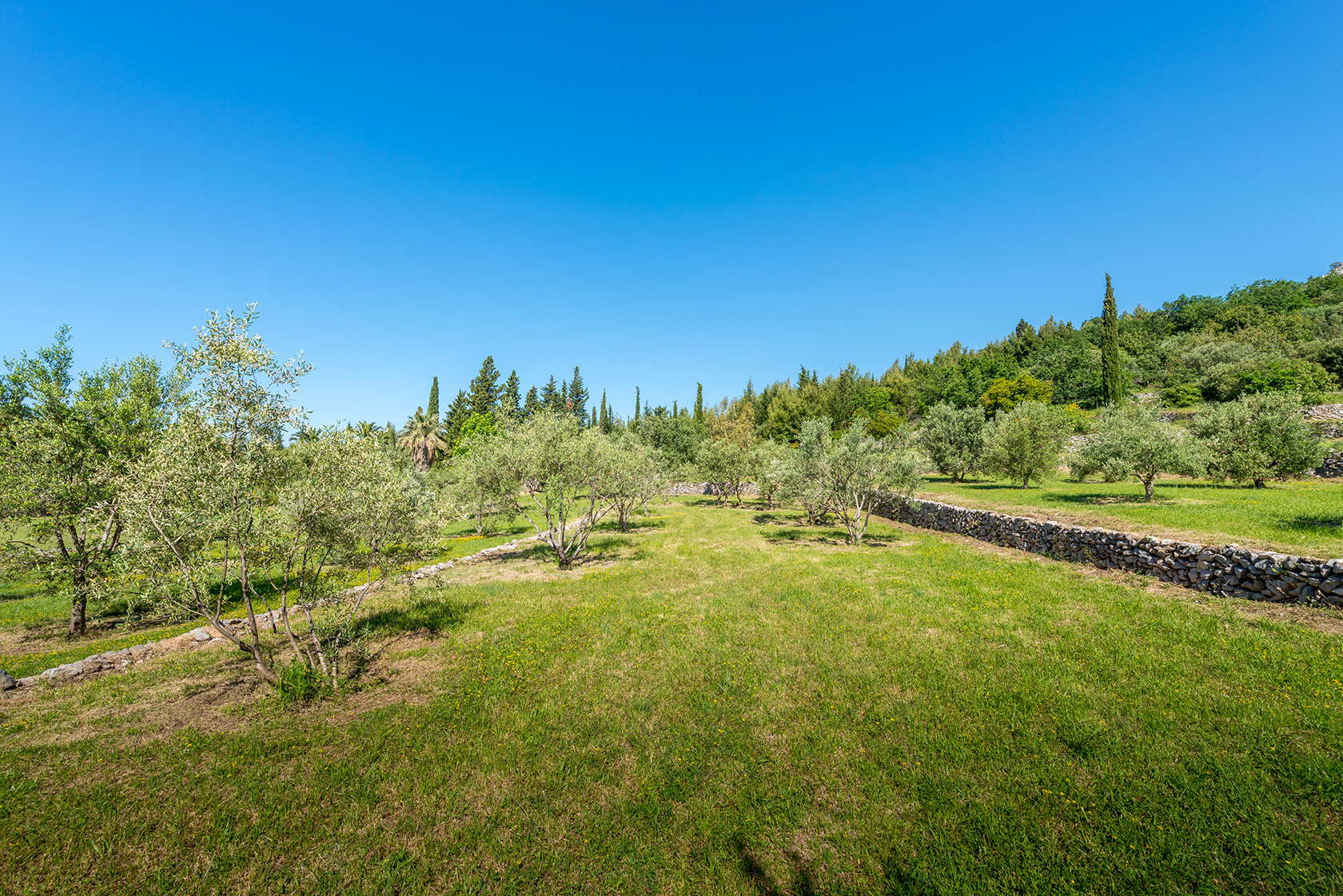
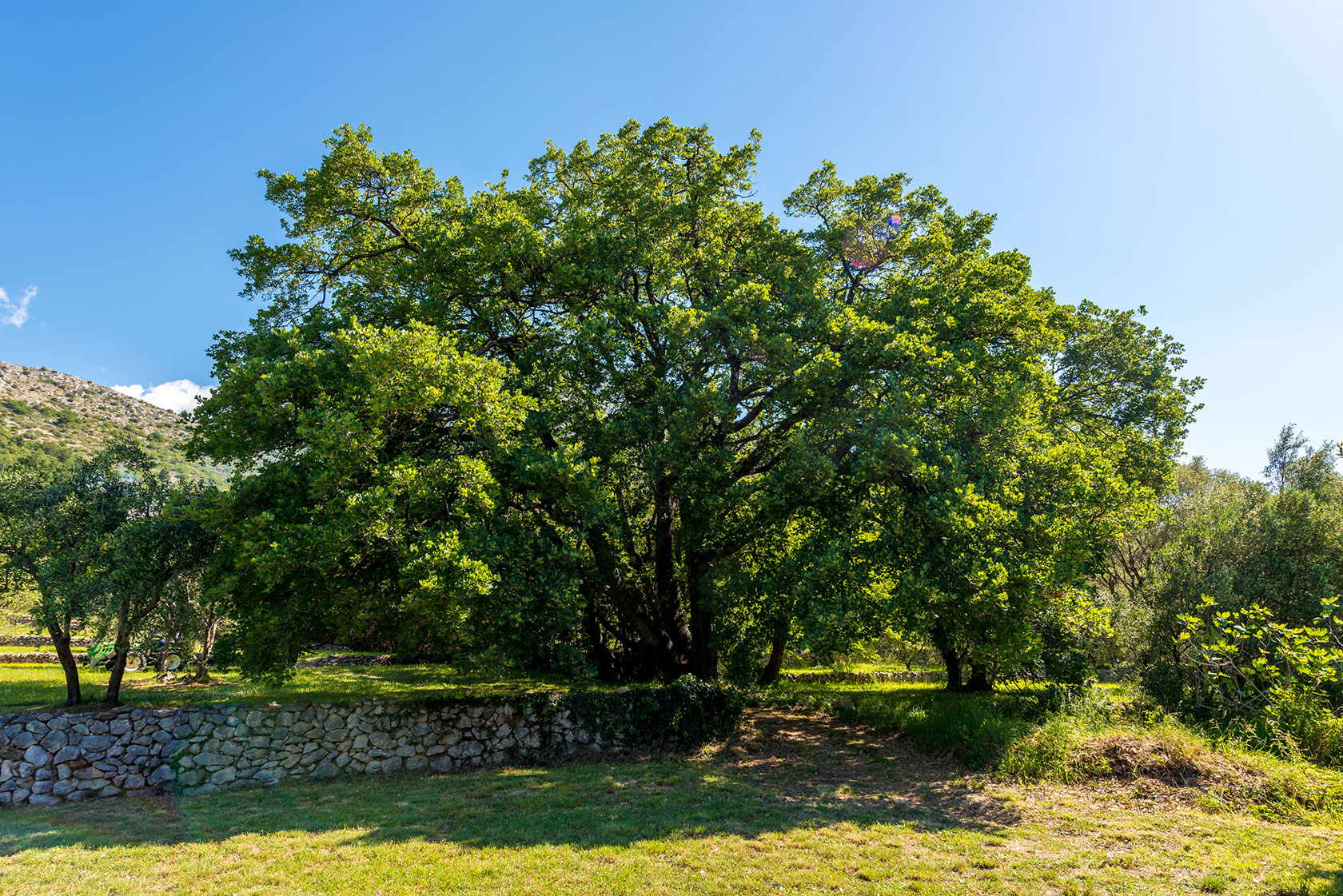
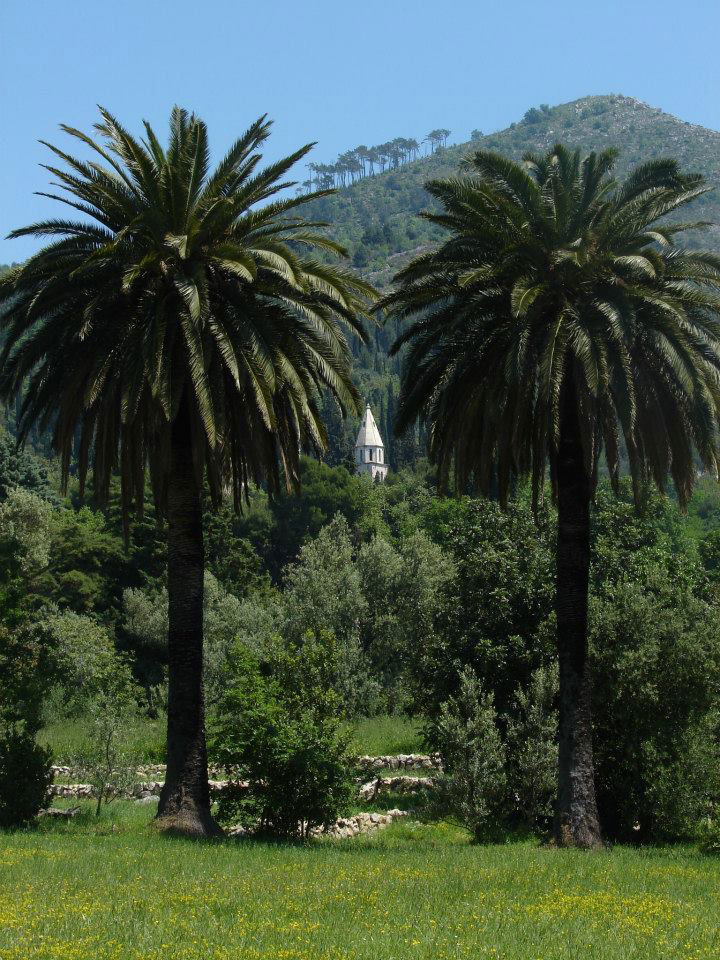
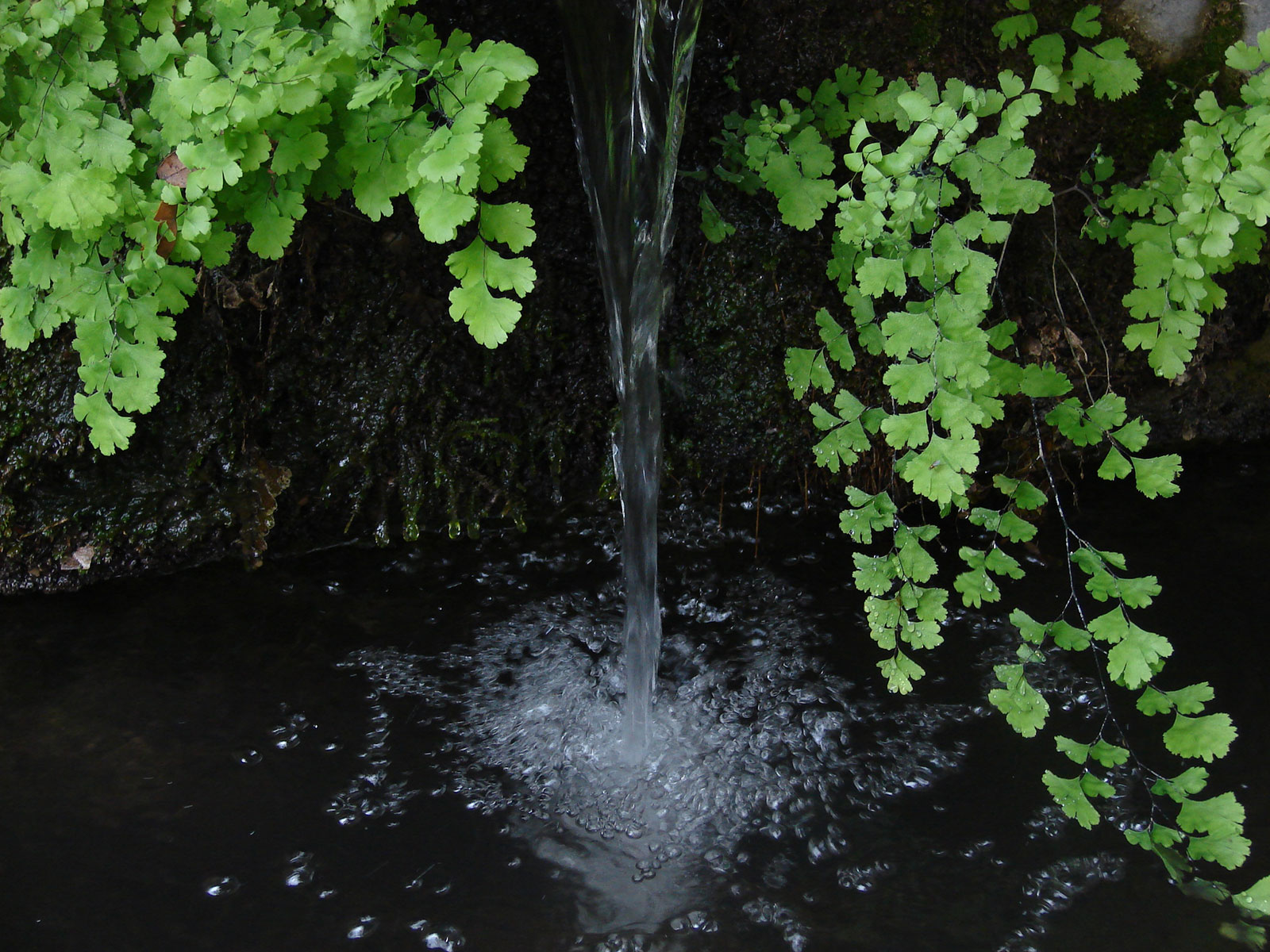
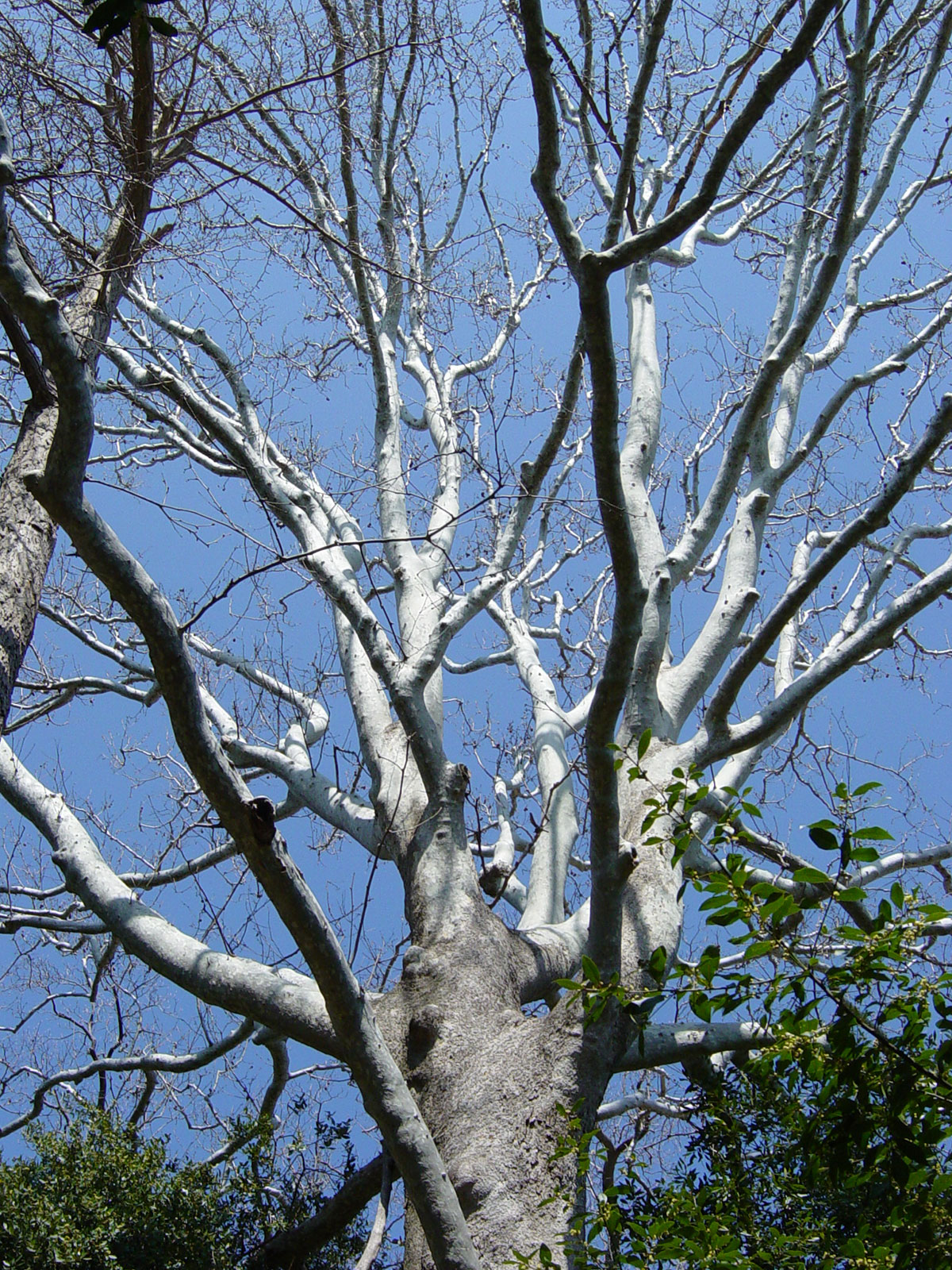
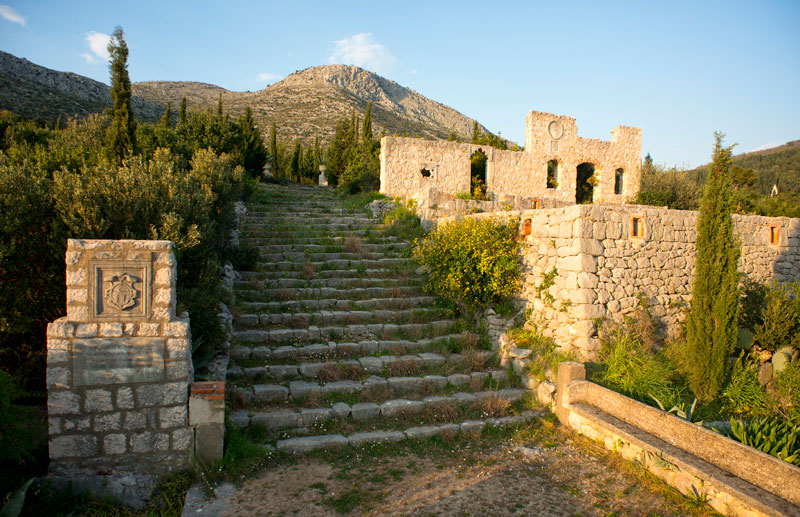
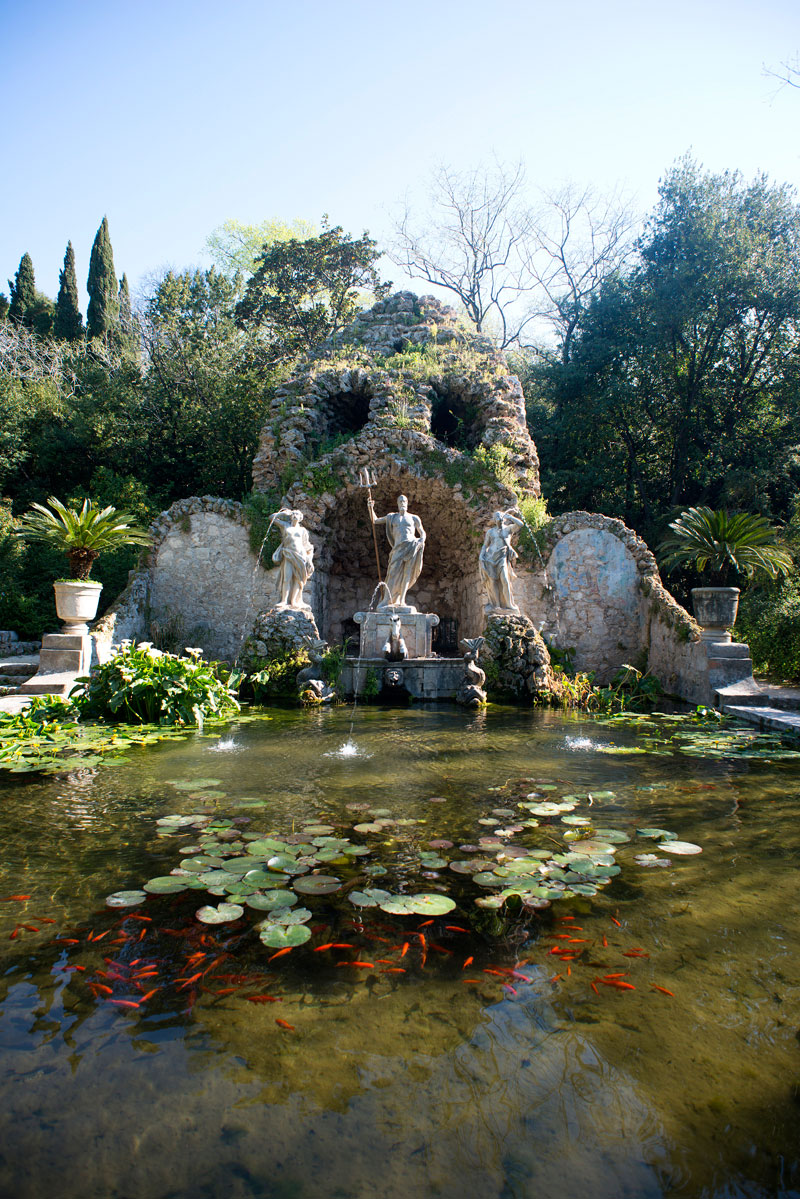
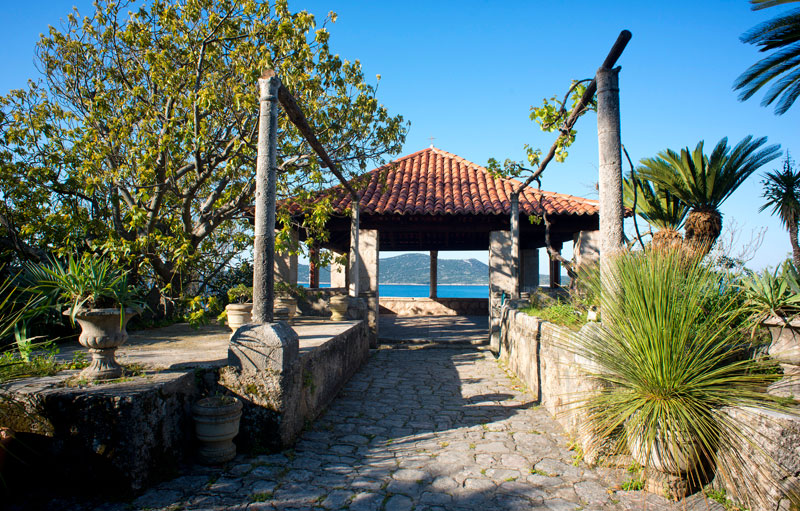
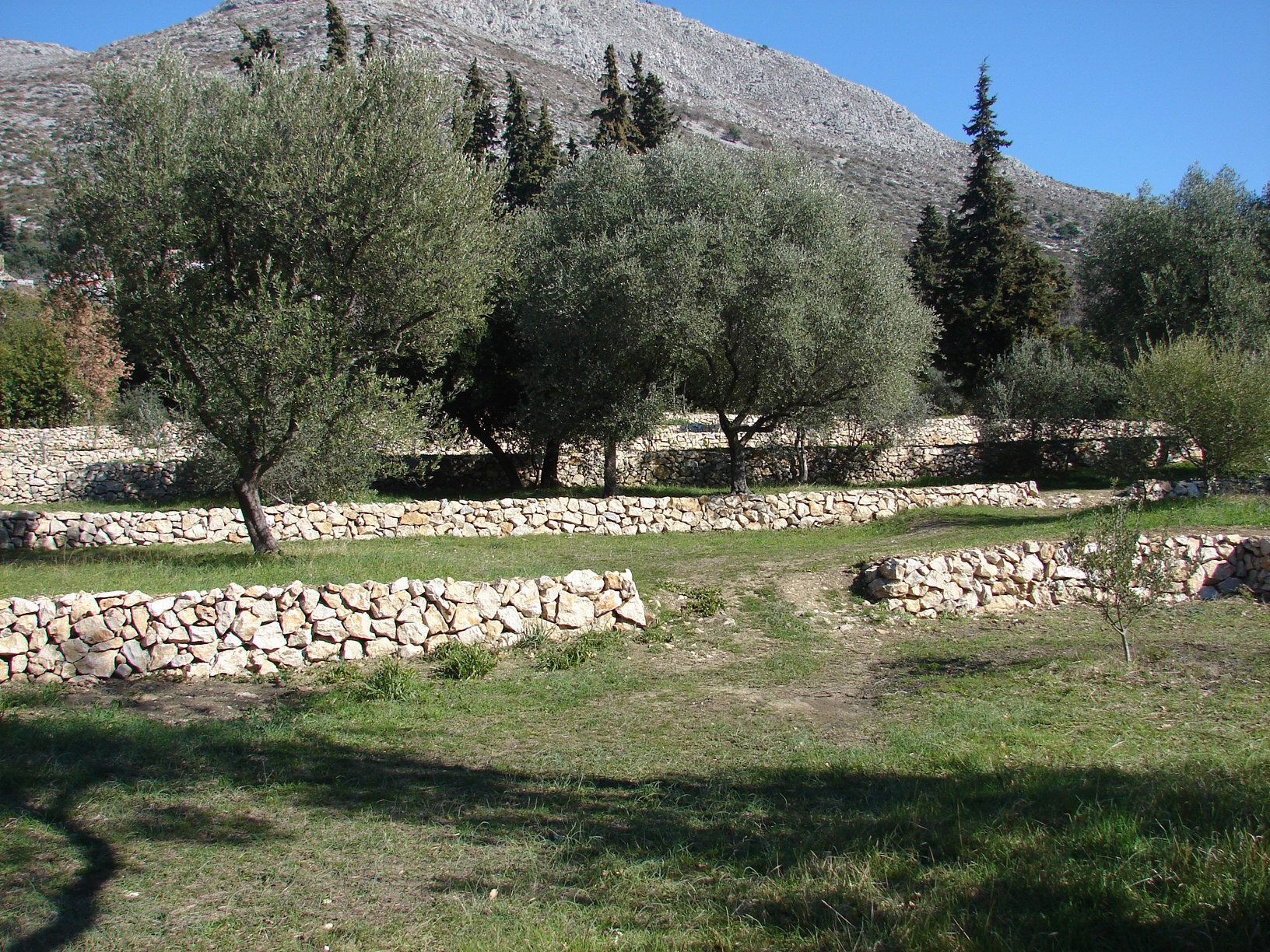
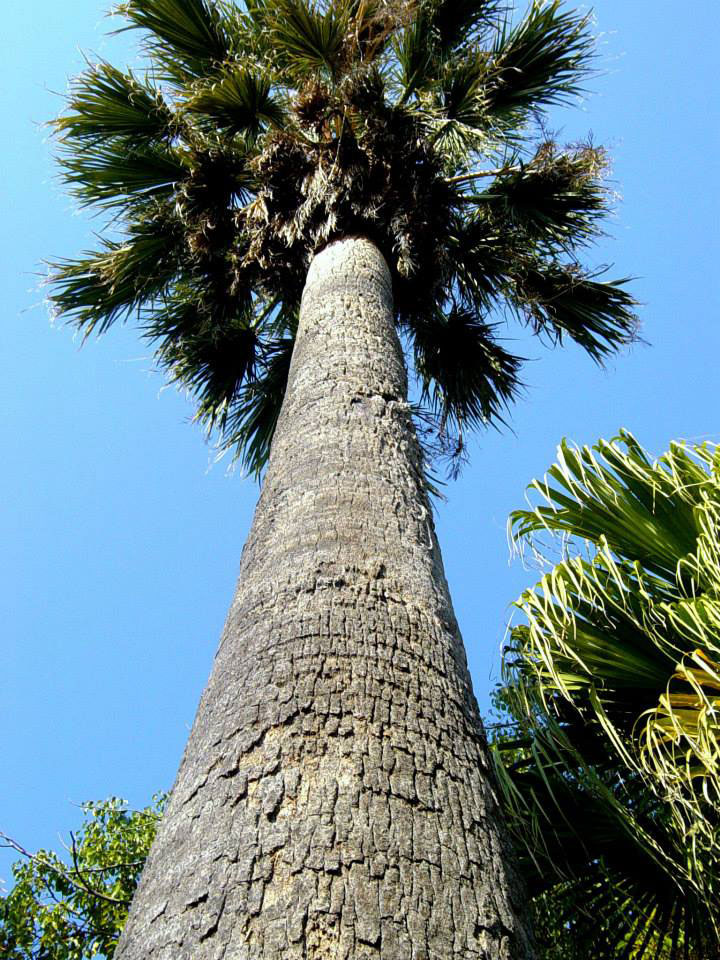
The Arboretum consists of a building complex of a summer residence with auxiliary buildings and landscape consisting of a Renaissance-Baroque garden next to the summer villa with a fountain and an aqueduct, a neo-romantic garden from the beginning of the 20th century on Drvarica, an olive grove, citrus and palm plantations and diverse natural vegetation of forests, all on an area of 25.61 ha (256,099 m2).
The Arboretum was founded in 1948 on the site and on the basis of the historic land estate of the Dubrovnik noble family Gučetić-Gozze. The estate was put under the protection and management of the Croatian Academy of Sciences and Arts in 1948.
Arboretum Trsteno has the properties of both a cultural asset and a monument of garden architecture. Therefore, it is protected on the basis of two laws - the Law on the Protection and Preservation of Cultural Heritage and the Law on Nature Protection.
On January 20 1948 the National Institute for the Protection of Natural Rarities of the People's Republic of Croatia passed a decision to declare the park in Trsteno a protected natural rarity. Since October 27 1962 the park has had the status of a protected natural object as a natural monument - a monument of garden architecture - an arboretum. Based on the aforementioned, it’s entry in the Register of Protected Nature Objects at the Institute for Nature Protection was determined.
Pursuant to the Nature Protection Act (National Gazette No. 80, 2013, Art. 235) the protection and management of the Arboretum continues to be carried out by the Croatian Academy of Sciences and Arts in accordance with the Croatian Academy of Sciences and Arts Act with appropriate application of the said Act.
On the 30th October 2017 the Directorate for the Protection of Cultural Heritage of the Ministry of Culture of the Republic of Croatia issued a decision by which the land estate of the Gučetić-Gozze family and the Arboretum have the status of a cultural property, all according to the Protection and Preservation of Cultural Heritage Act.
Since Arboretum Trsteno is a unique historical, cultural and natural monumental complex in the wider Dubrovnik area but also in Croatia in general, it is necessary to ensure appropriate restoration and adaptation to current and future needs while preserving the identity and inherited values of the past. Therefore, the Croatian Academy of Sciences and Arts has launched a comprehensive long-term project for the renovation and revitalization of Arboretum Trsteno. By renovating, revitalizing and modernizing the five-hundred-year-old Dubrovnik land estate and preserving botanical and vegetation features, a unique museum complex of cultural, historical, scientific, educational and tourist significance will be improved in Croatia.
The project Arboretum and summer residence Trsteno - renovation and revitalization of the five-hundred-year-old villa and estate creates preconditions for complete and long-term renovation and improvement of Arboretum Trsteno of the Croatian Academy of Sciences and Arts and is the first step in that direction. This first project, largely funded by the European Union Structural Funds, affirms the architectural and landscape complex of the Arboretum characterized by a variety of architectural, park and vegetation contents that represent the culture of land estate life with its horticultural and economic aspects over a period of almost five hundred years.