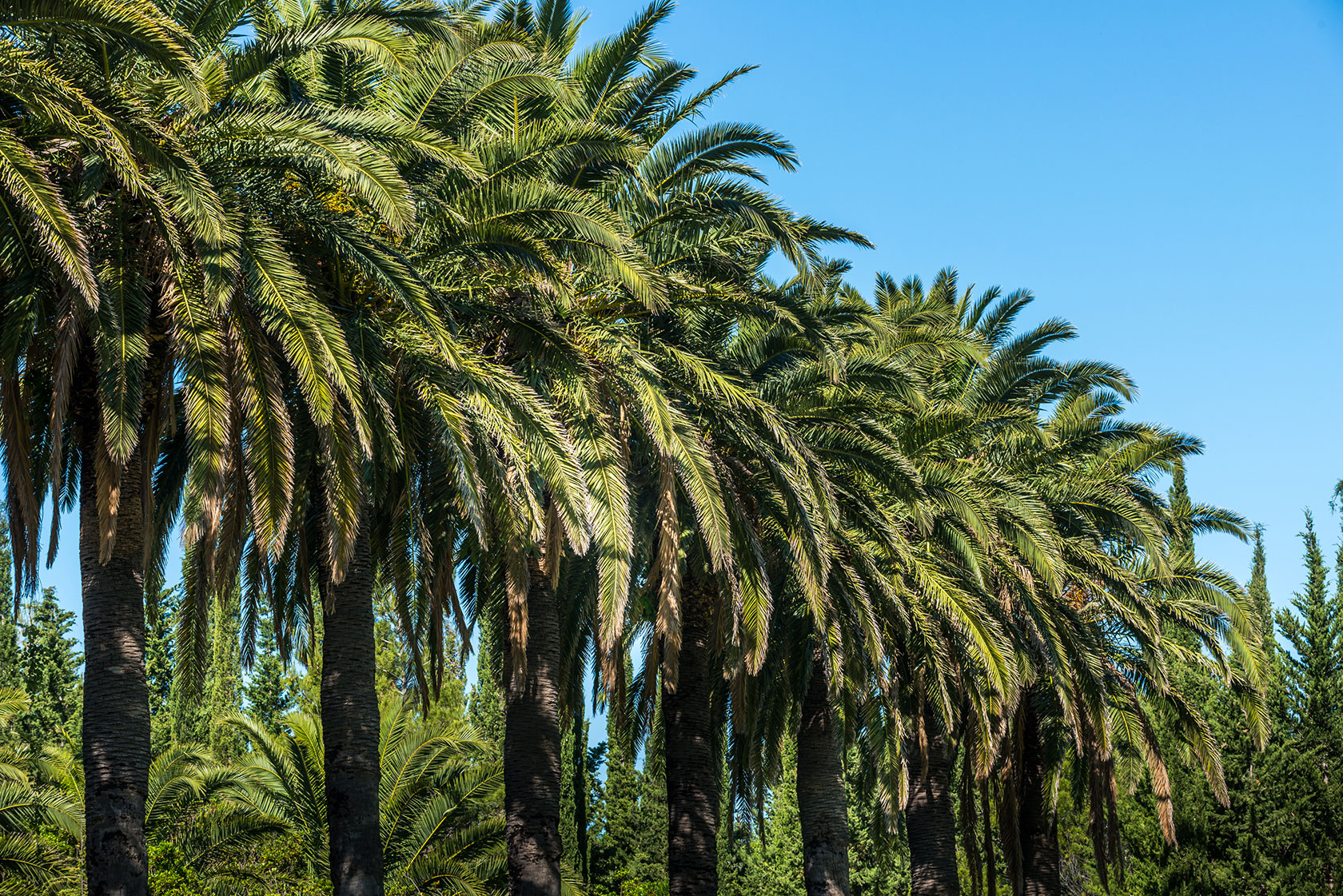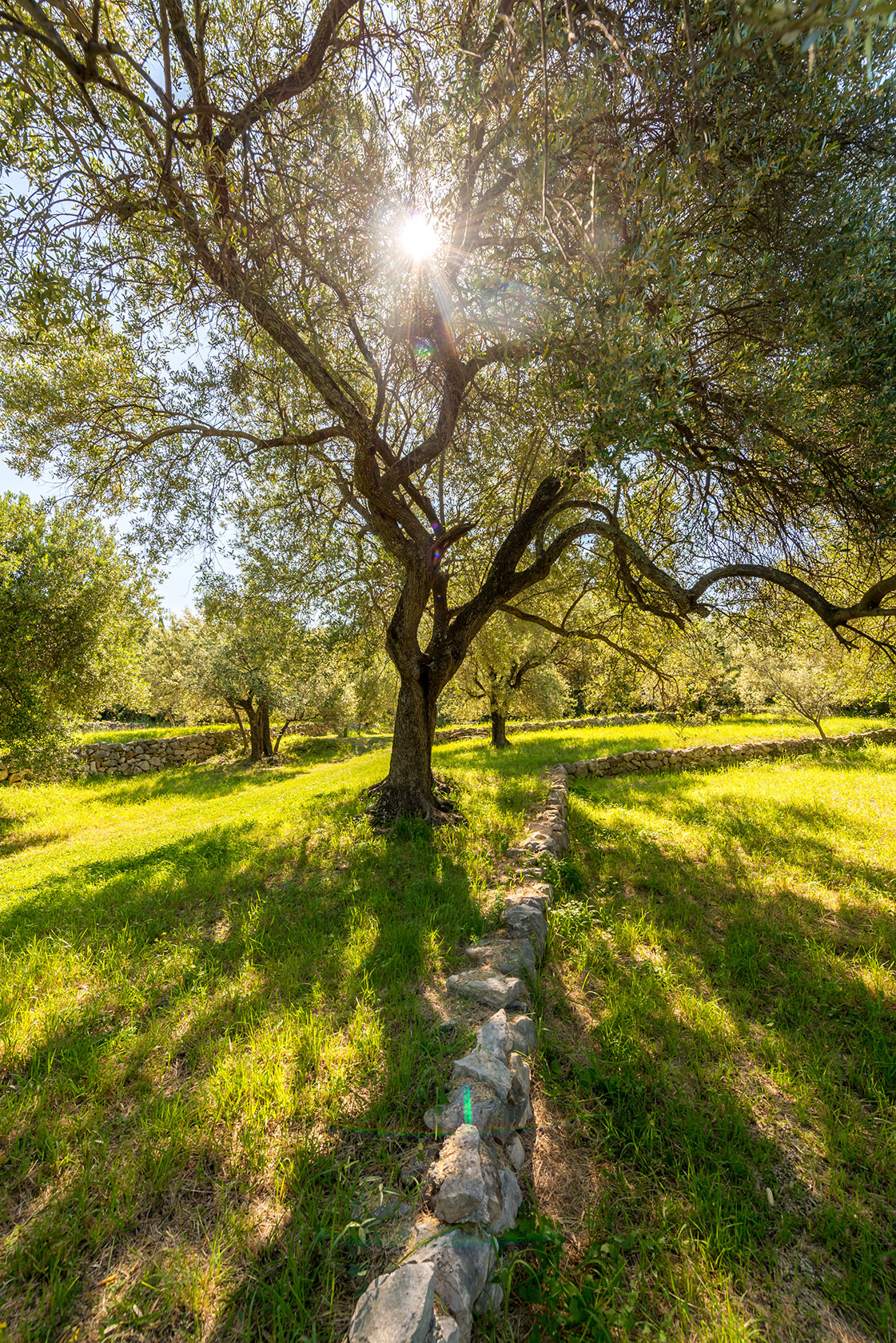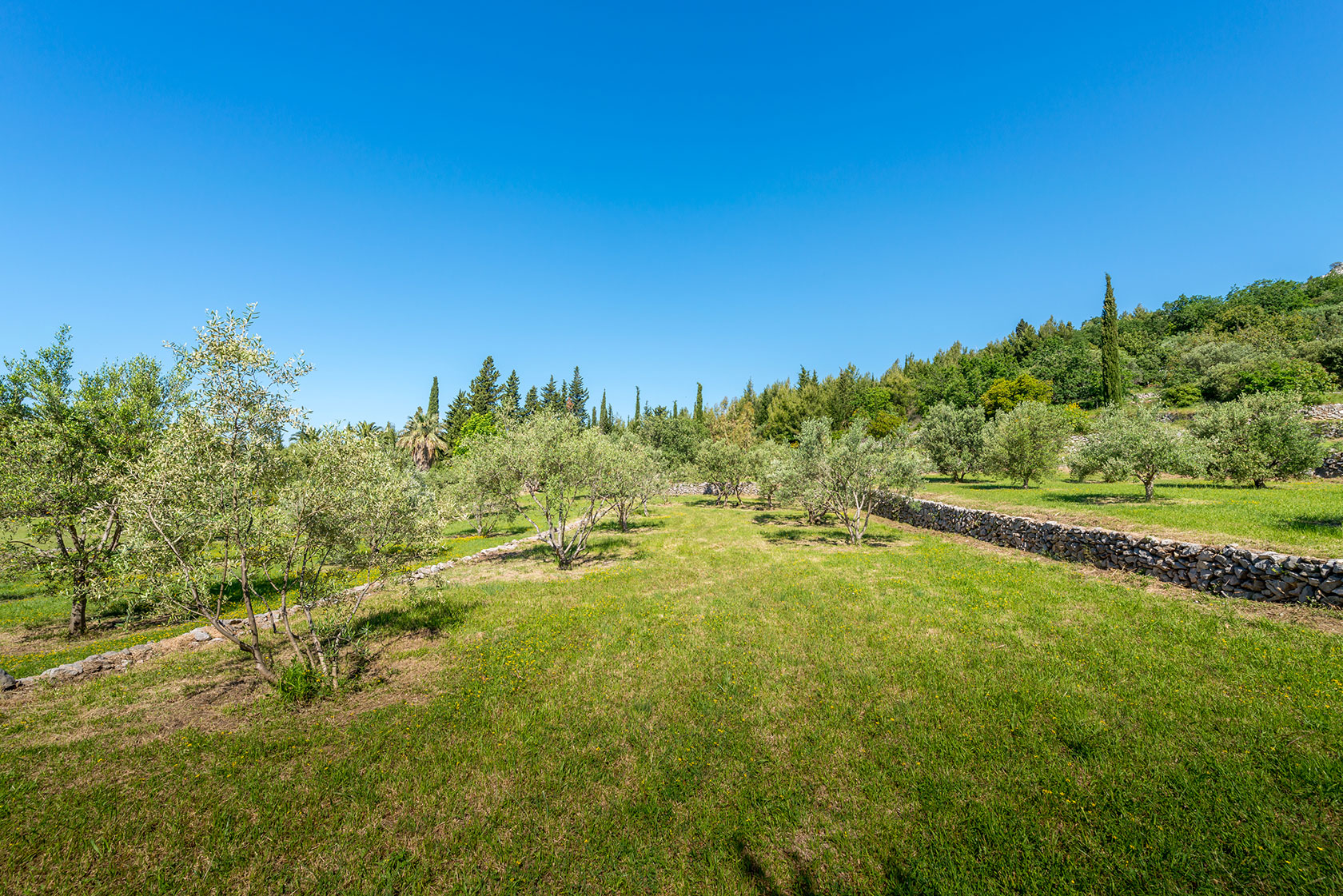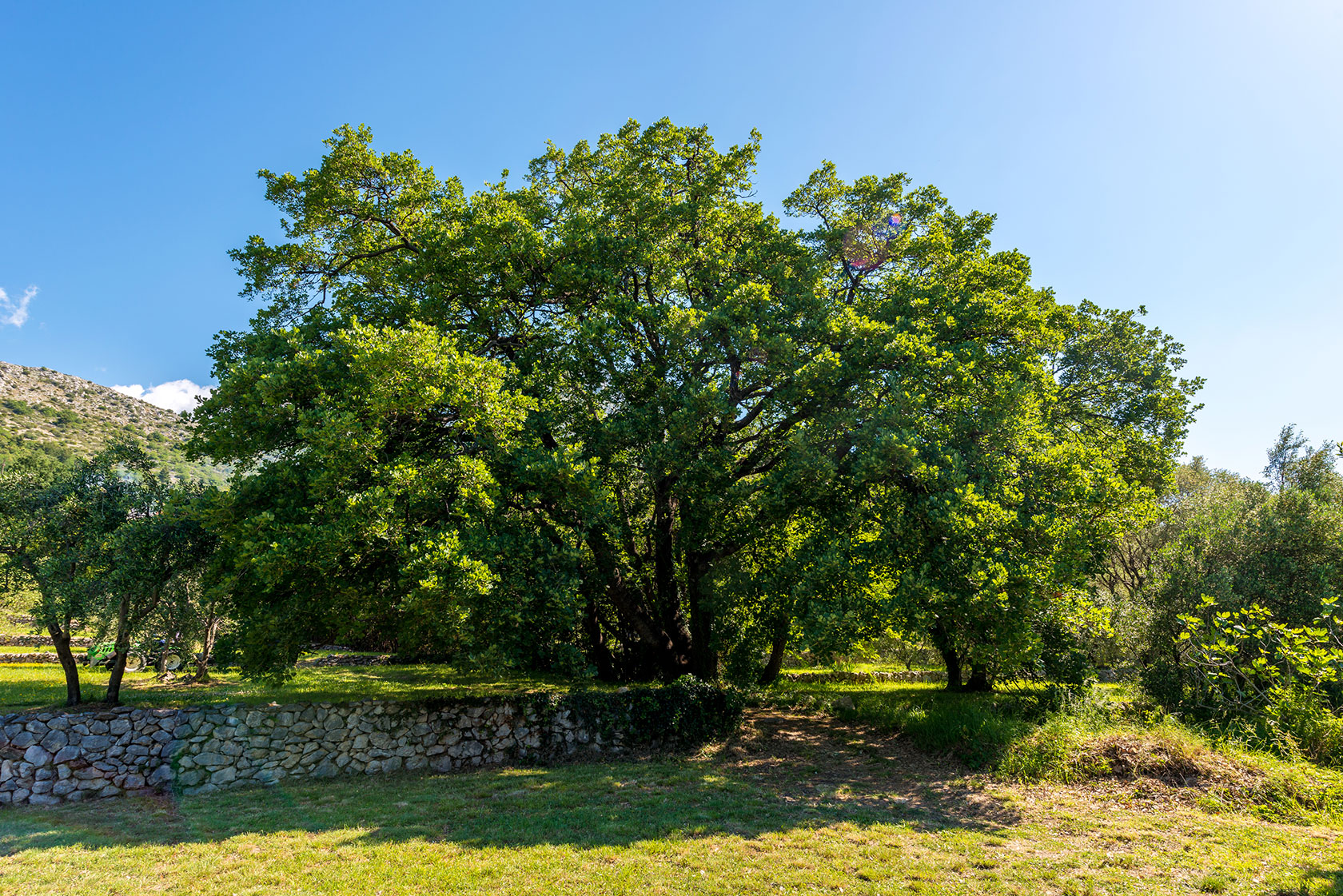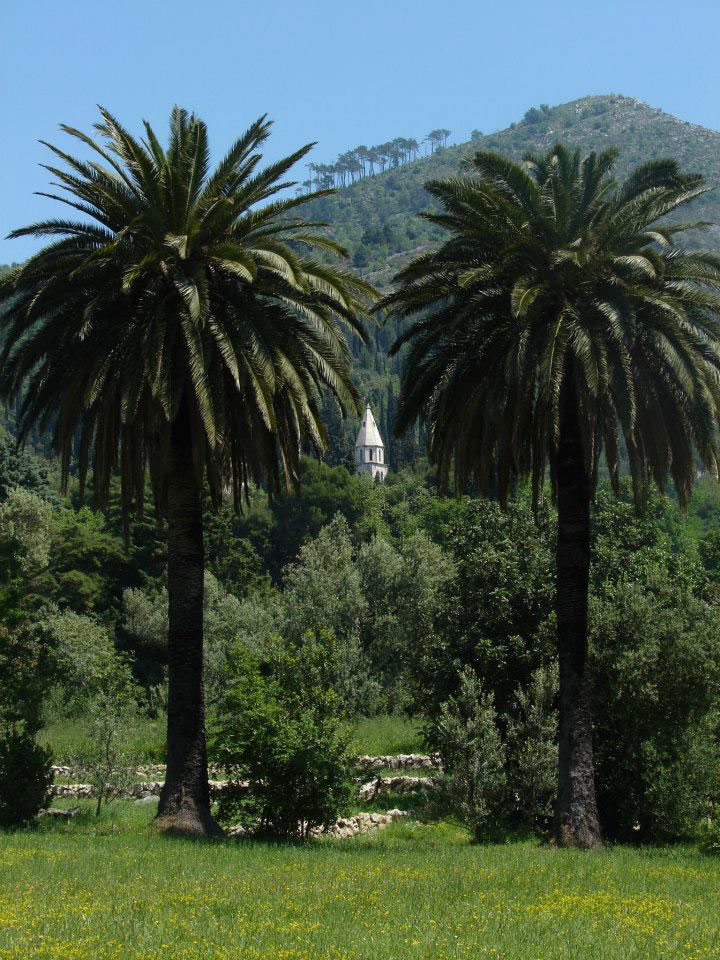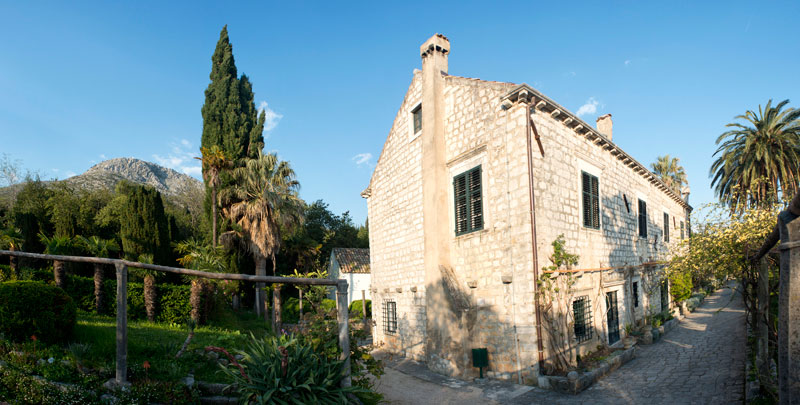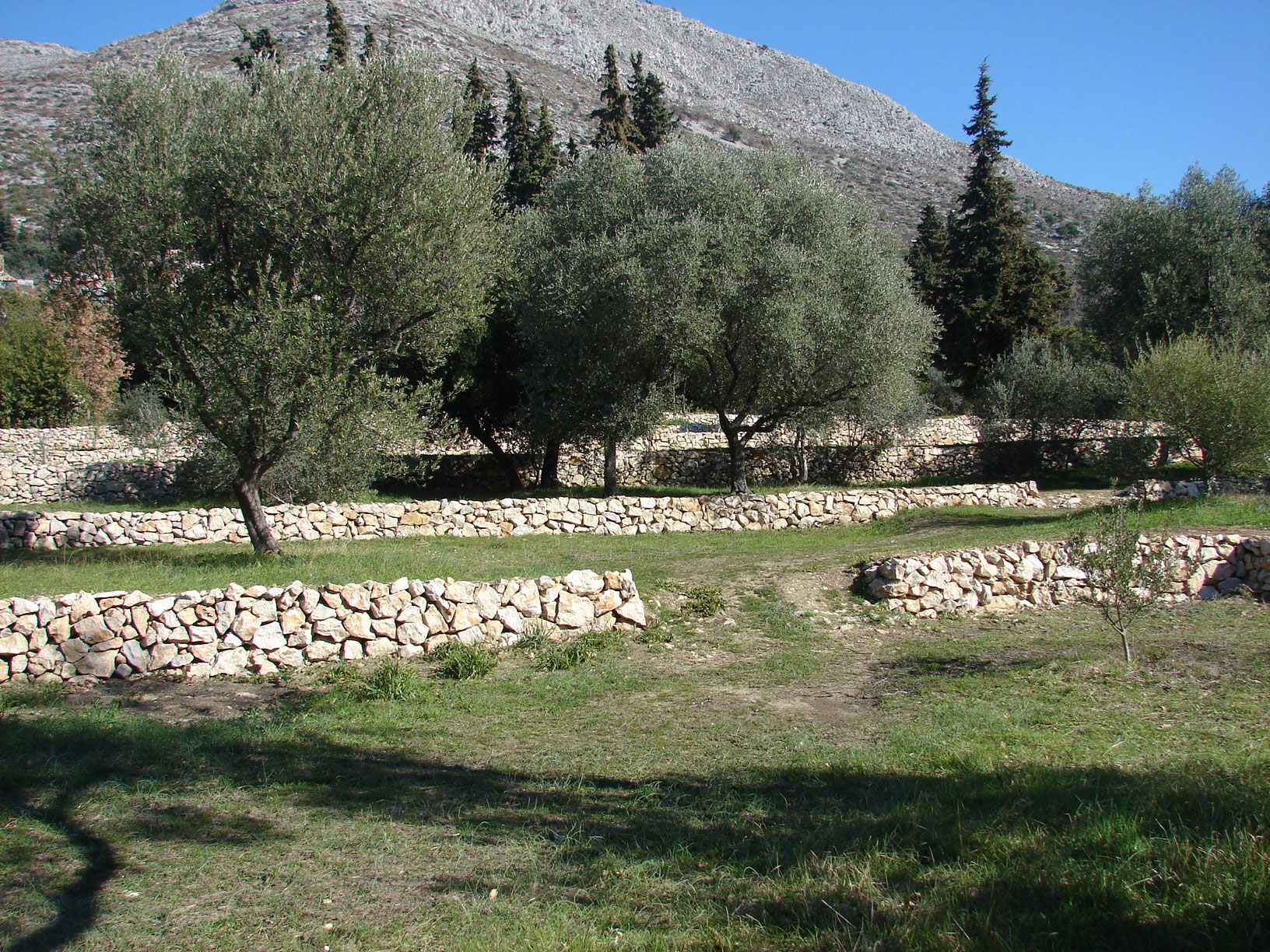


The plant composition of the garden has developed through historical stages and today it reflects the entire evolutionary course. From a specific, modest, Renaissance choice, and a few Baroque novelties, to the richness of diversity of new species from all continents, which in the 19th and early 20th century so enriched the garden that it began to resemble an arboretum.
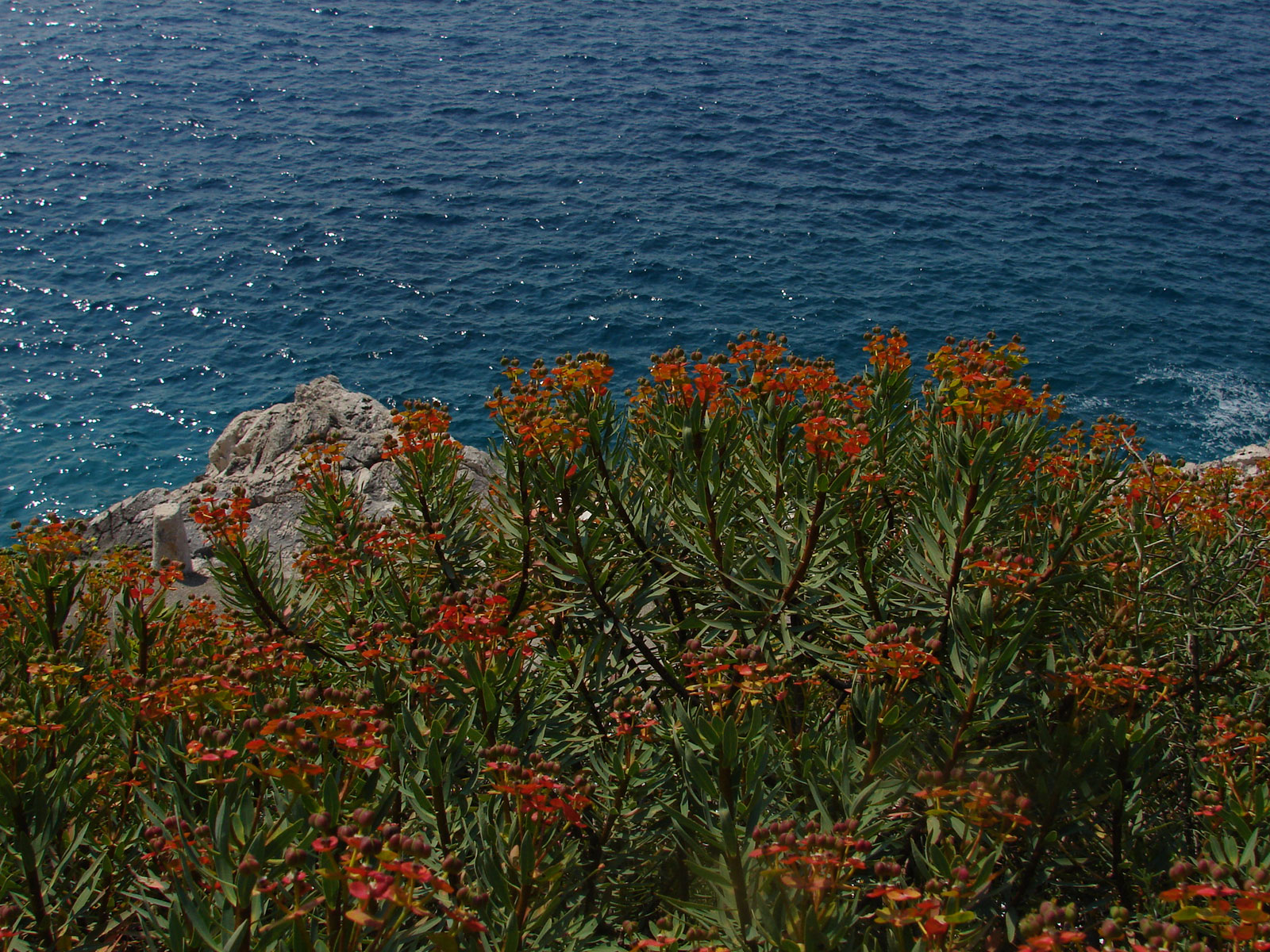
Due to the significant orographic, microclimatological and pedological disintegration and diversity, diverse habitats have been developed, which is reflected in the richness of flora and plant communities. In the mosaic structure of the natural vegetation cover, with dominant eumediterranean elements, olive and carob, sub-Mediterranean elements, white hornbeam, ash and laurel are locally present on deeper and wetter terrains and on steep rocks above the sea, one of the rare localities of woody Aegean vegetation.
The wild flora on the surface of the Arboretum is represented by 510 taxa classified in 84 families, and its basic value and importance is in the great biological diversity.
The Arboretum has identified 317 woody taxa (233 species, 8 subspecies, 2 varieties, 10 hybrids and 64 cultivars), which belong to 179 different genera from 82 families. The gymnosperm has 19 taxa and the angiosperm has 298 taxa.
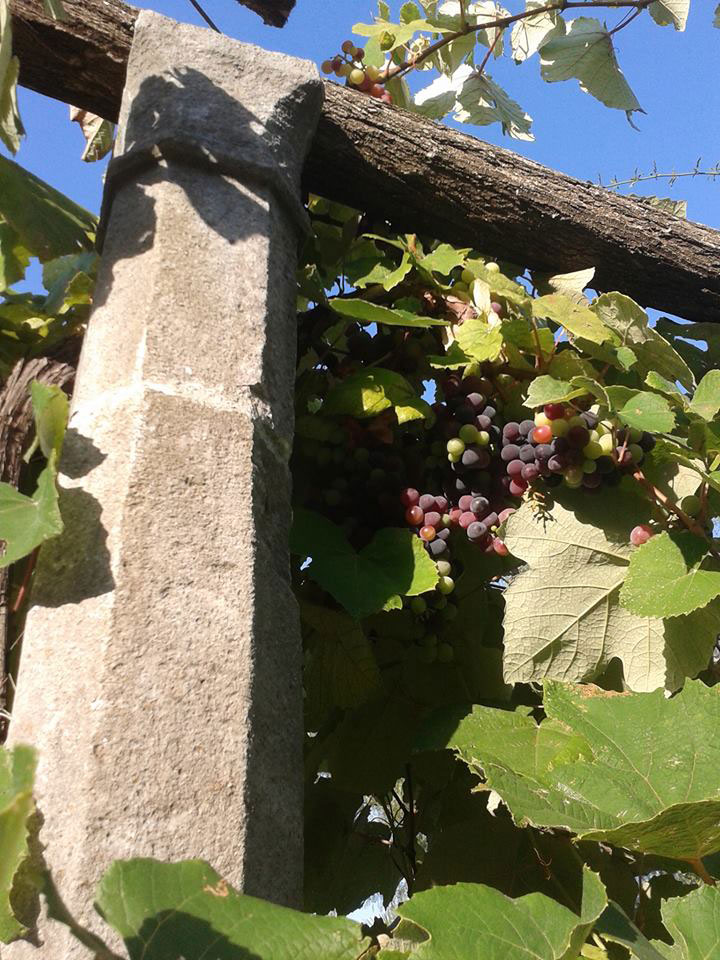
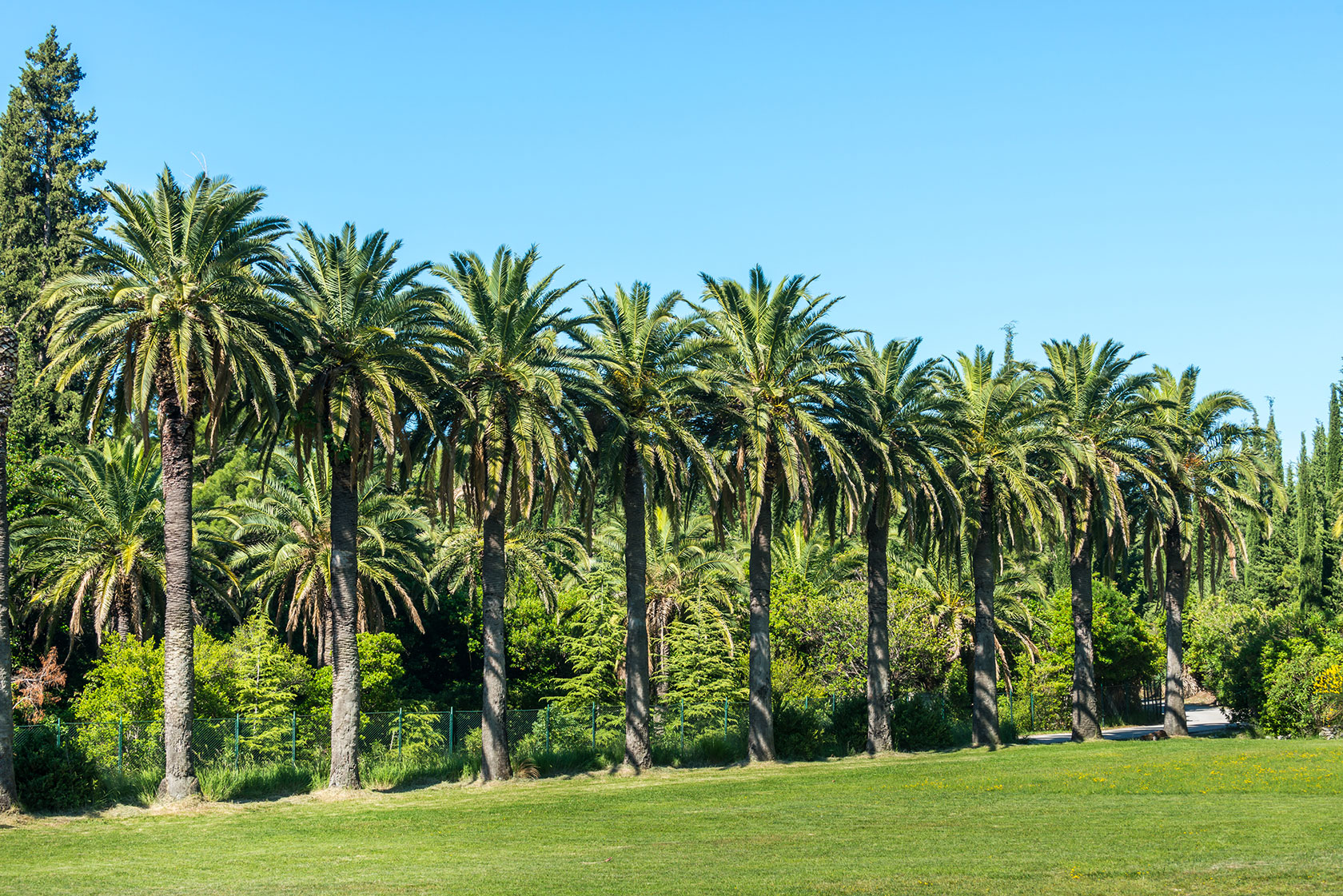
The Arboretum is a significant collection of dendroflora with 84 indigenous, mostly Mediterranean woody species and subspecies. Of the species and subspecies that grow in nature exclusively outside the European continent 64 are Asian species, 45 are American, 14 African and 5 Australian.. The Arboretum also houses valuable collections of olive cultivars, citrus trees, grapevine cultivars, palms, yuccas, aloae, cacti, bamboos and woody geraniums.
The first recorded inventory of plant taxa in the Arboretum was conducted in 1953 when 226 taxa were identified. In 2018 317 taxa were recorded in the Arboretum, which indicates an increase of 91 taxa. The Arboretum has preserved 148 taxa that were there in 1953.