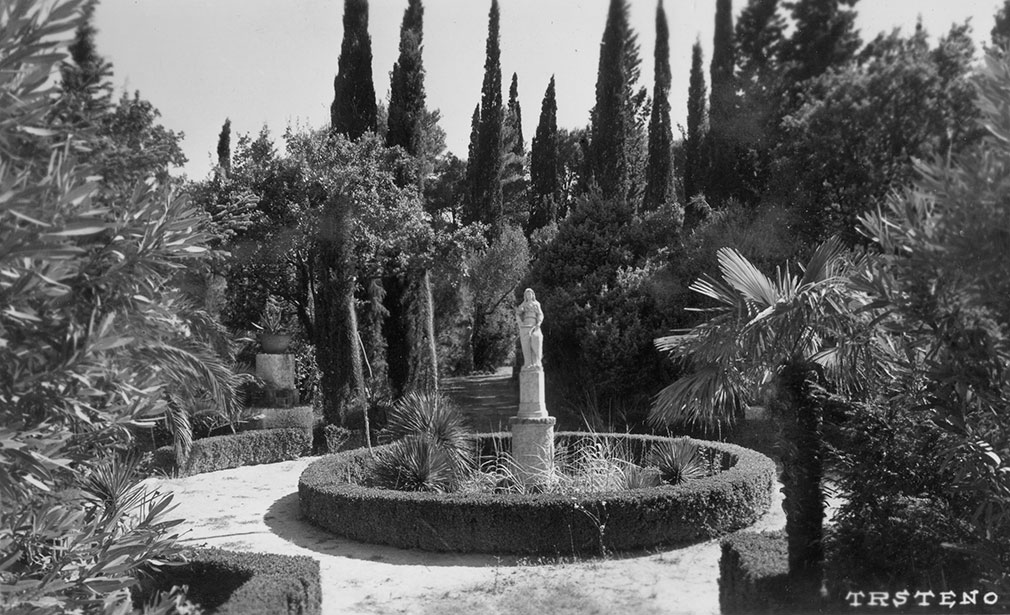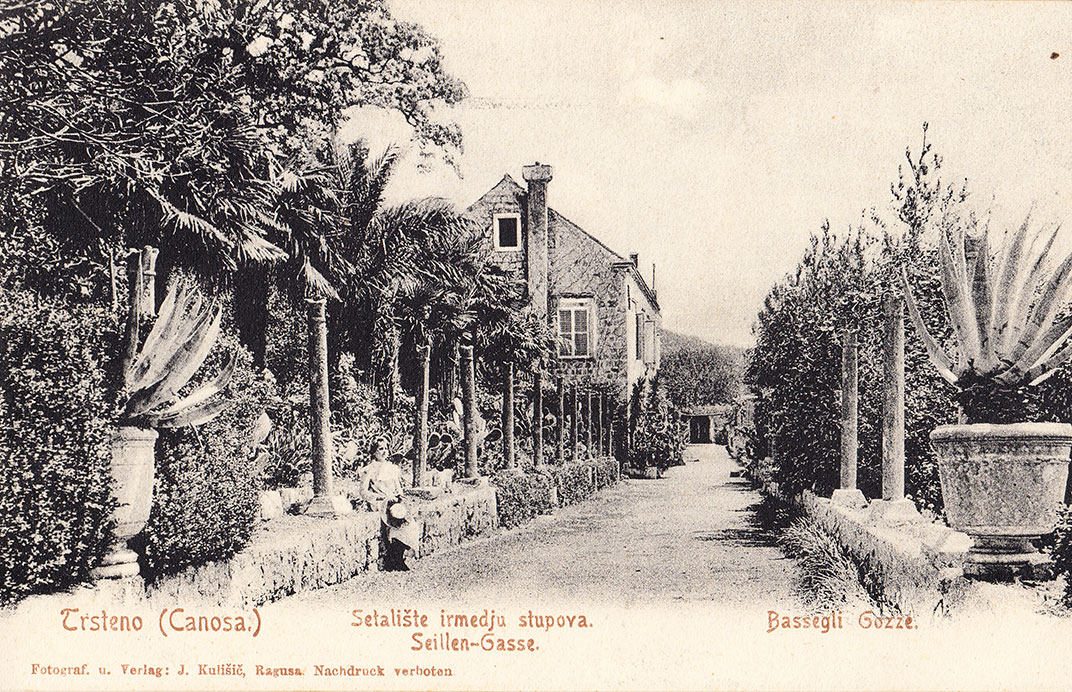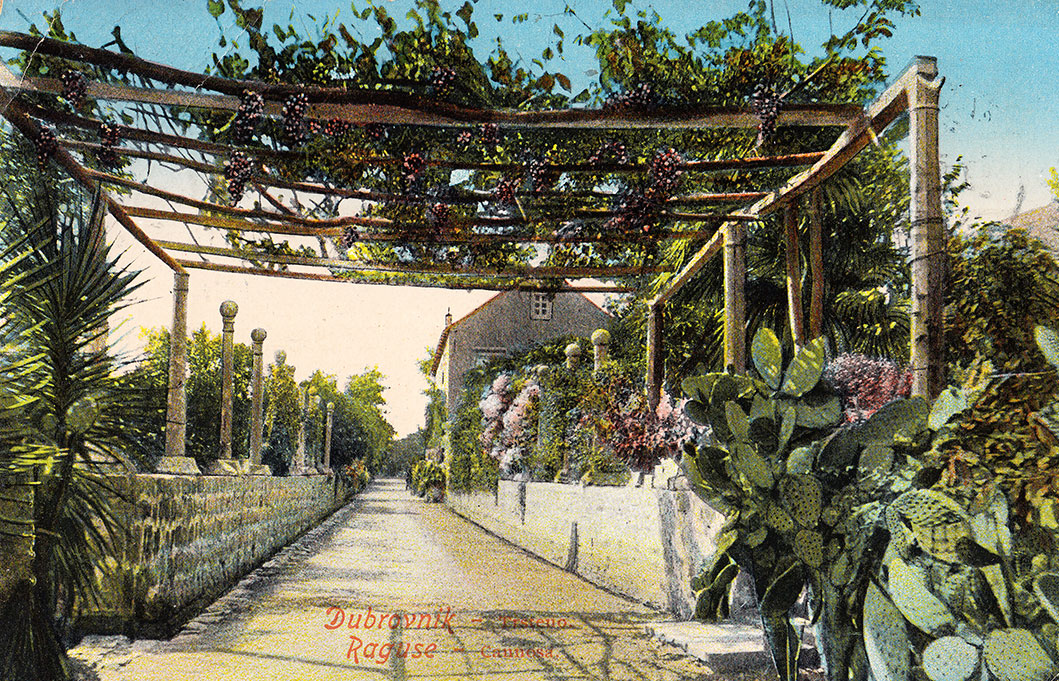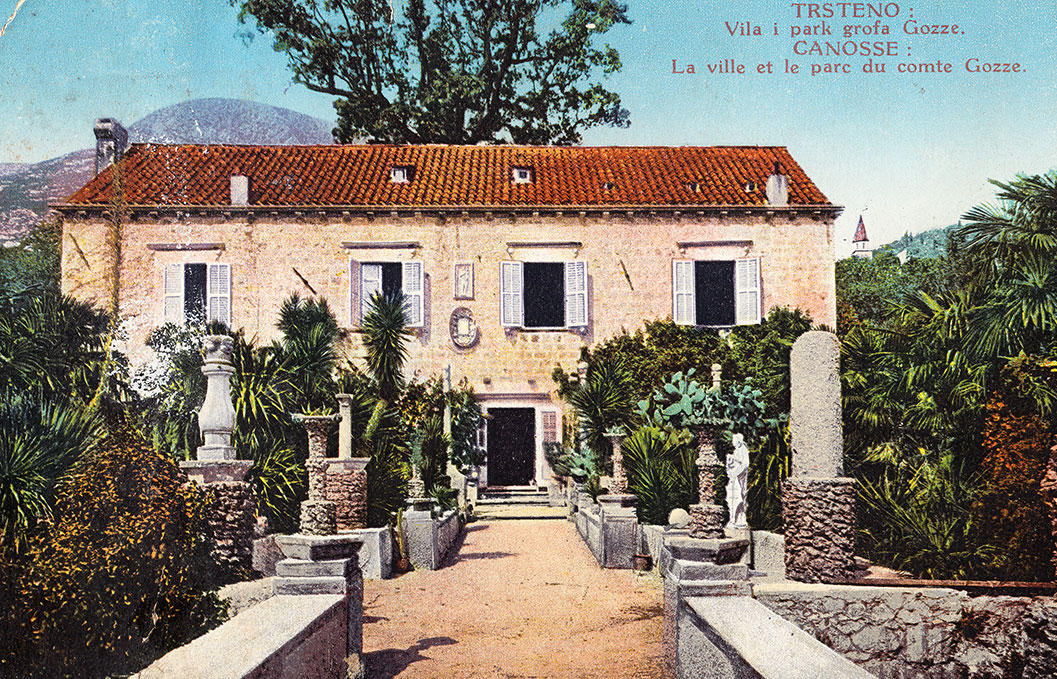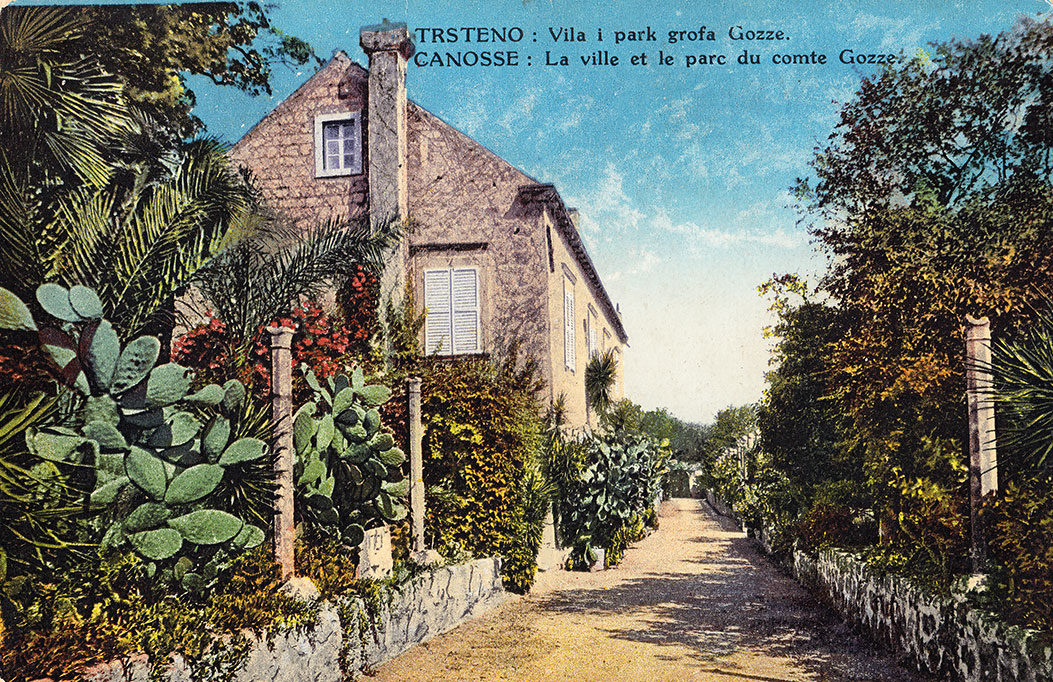


Built in the period from 1494 to 1502, the garden of the summer villa of the Gučetić-Gozze family is the only preserved Dubrovnik garden whose development has evolved over the past five centuries. From a simple early-Renaissance composition in the late Renaissance and Baroque stages a distinct mono-axis conception was developed and it has remained a recognizable feature to this day. This indicates a departure from the usual ground plan of a Dubrovnik Renaissance garden in the form of an irregular network. With its mono-axis composition, Trsteno stands out as a typological difference of the Renaissance Dubrovnik garden architecture.
The garden in Trsteno was the only one in the Dubrovnik area where running water could be used freely for the garden. In 1736 the largest baroque fountain in Dubrovnik was erected with a pool, a large cave (grotto) and statues from ancient mythology (Neptune and nymphs), placed in front of the cave. The fountain was supplied with water from a stream via an aqueduct with 14 arches.
In terms of stylistically recognizable garden and cultural features, we recognize five stages - Renaissance (15th and 16th century), Baroque (17th and 18th century), Romantic-Historicist (19th century), Late Romantic (early 20th century) and late Modern (second half of the 20th century).
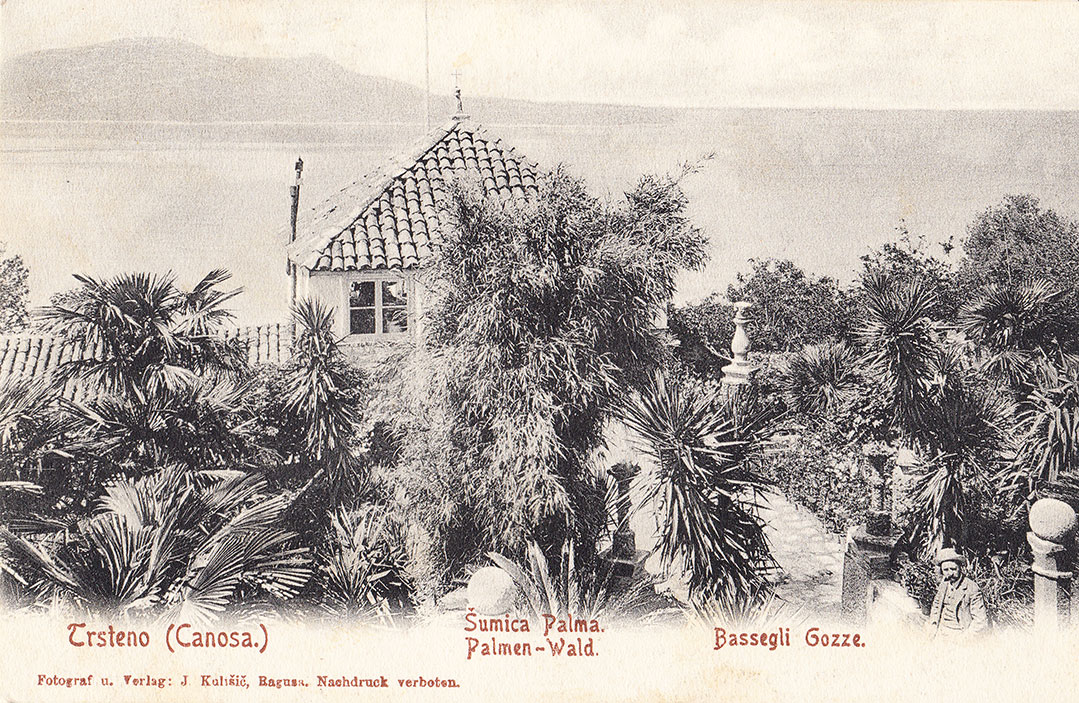
Though mono-axis composition is common in Italian Renaissance gardens, the Dubrovnik gardens are an exception. This architectural composition axis includes the villa and the pavilion (belvedere/ gloriette), and the aqueduct with the fountain and the cave. During the late Renaissance, in the second half of the 16th century, the garden was extended inside the laurel grove and became one of the places of intellectual life in Dubrovnik.
The Baroque period in Dubrovnik began after the great earthquake of 1667 and lasted until the end of the 18th century. The longitudinal axis is now emphasized and becomes the main theme of the baroque composition of the garden and the estate. The garden is widened by rectangular walking paths with boxwood (Buxus sempervirens L.) edges and bosquets within the field, and in 1736 a baroque fountain with sculptures in front of the cave was erected.
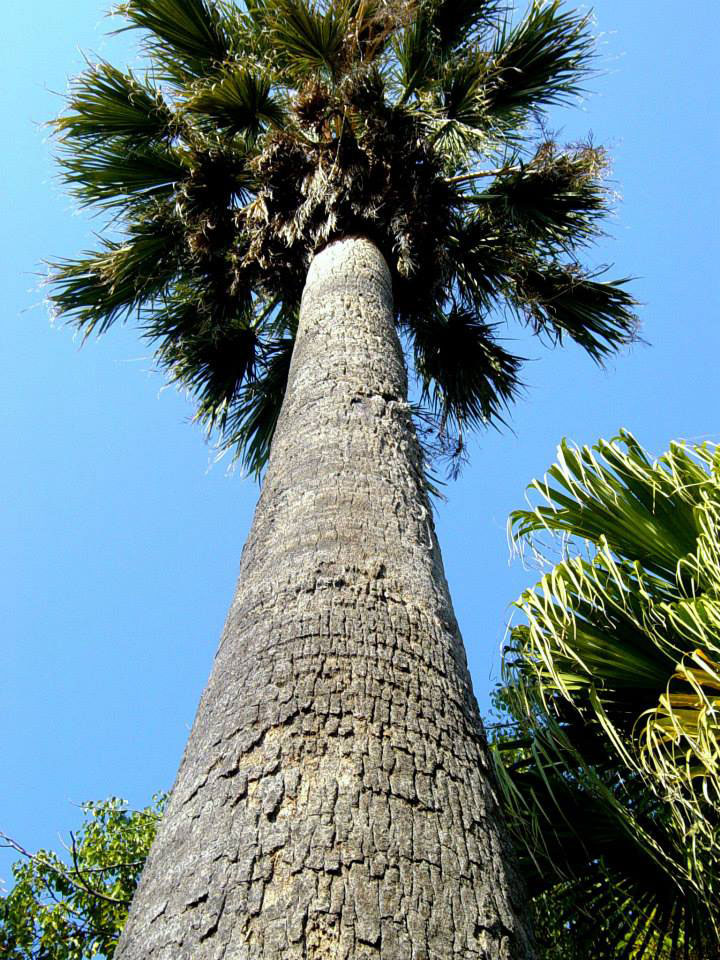
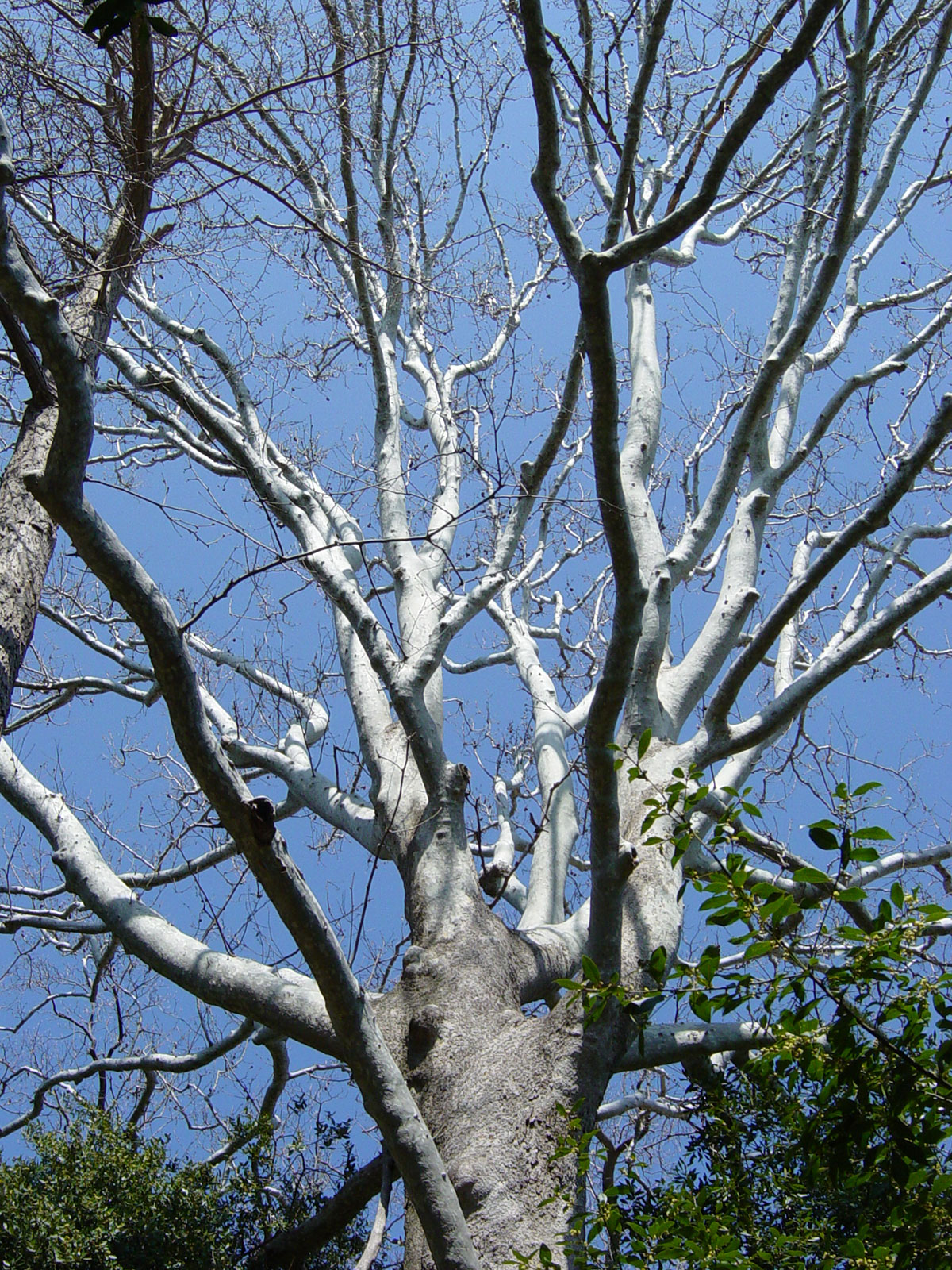
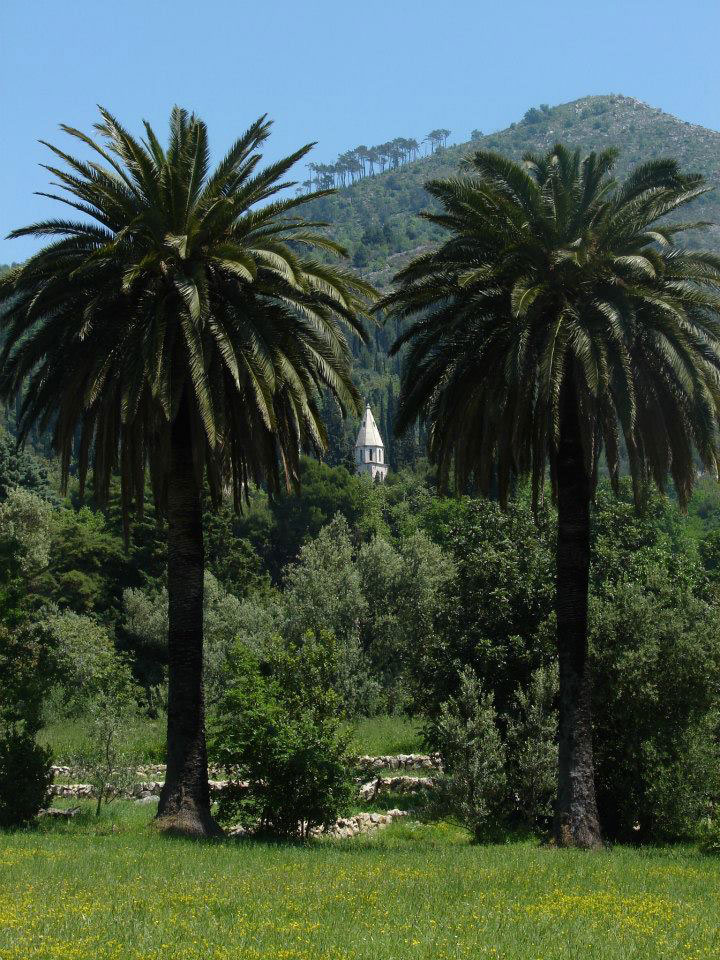
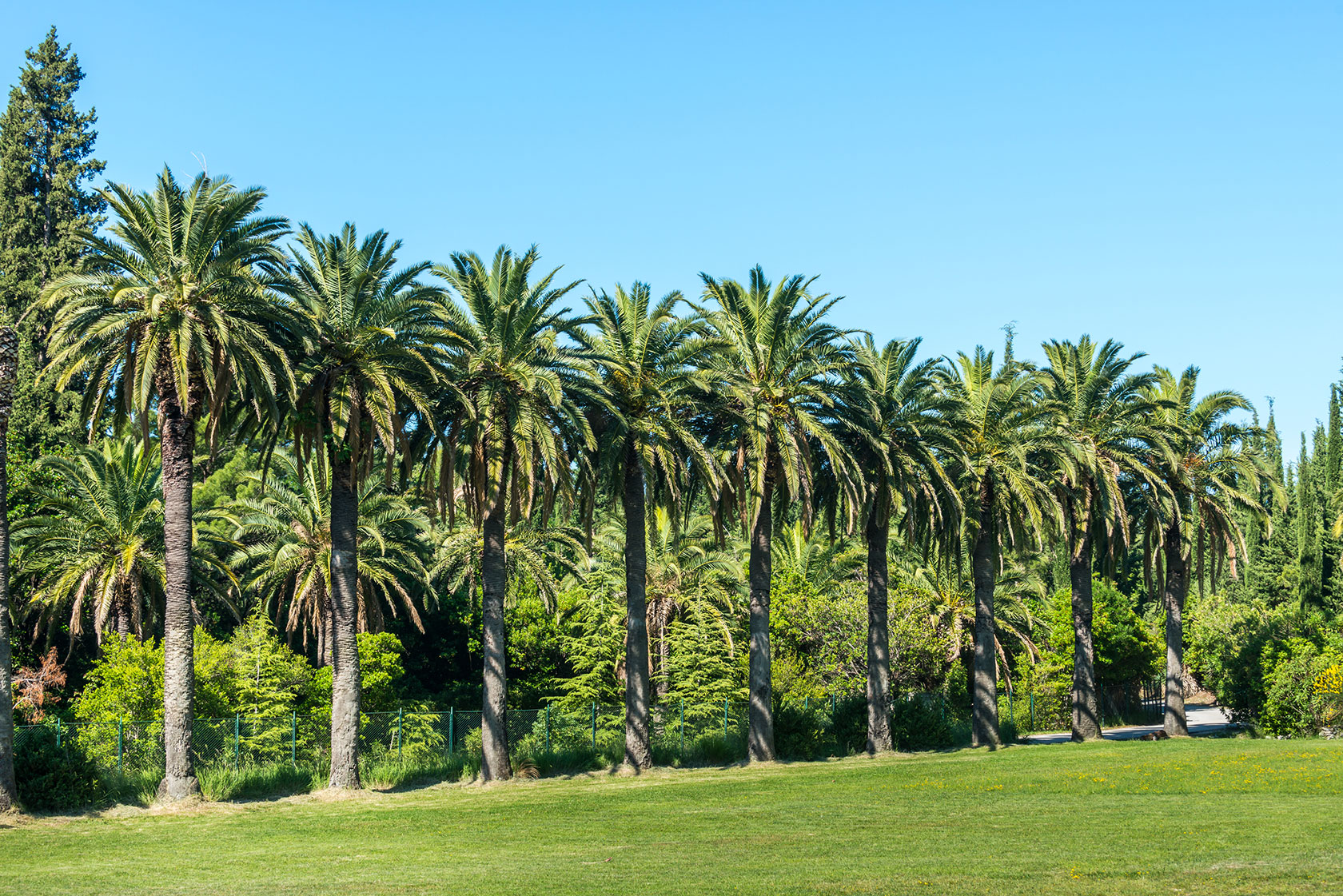
The garden was restored in the Romantic-historicist spirit in the second half of the 19th century, which primarily led to the planting of new domestic, but also imported (foreign) plant species – exotic plants and cultivars. Since then, the garden began to increasingly resemble a dendrological collection.
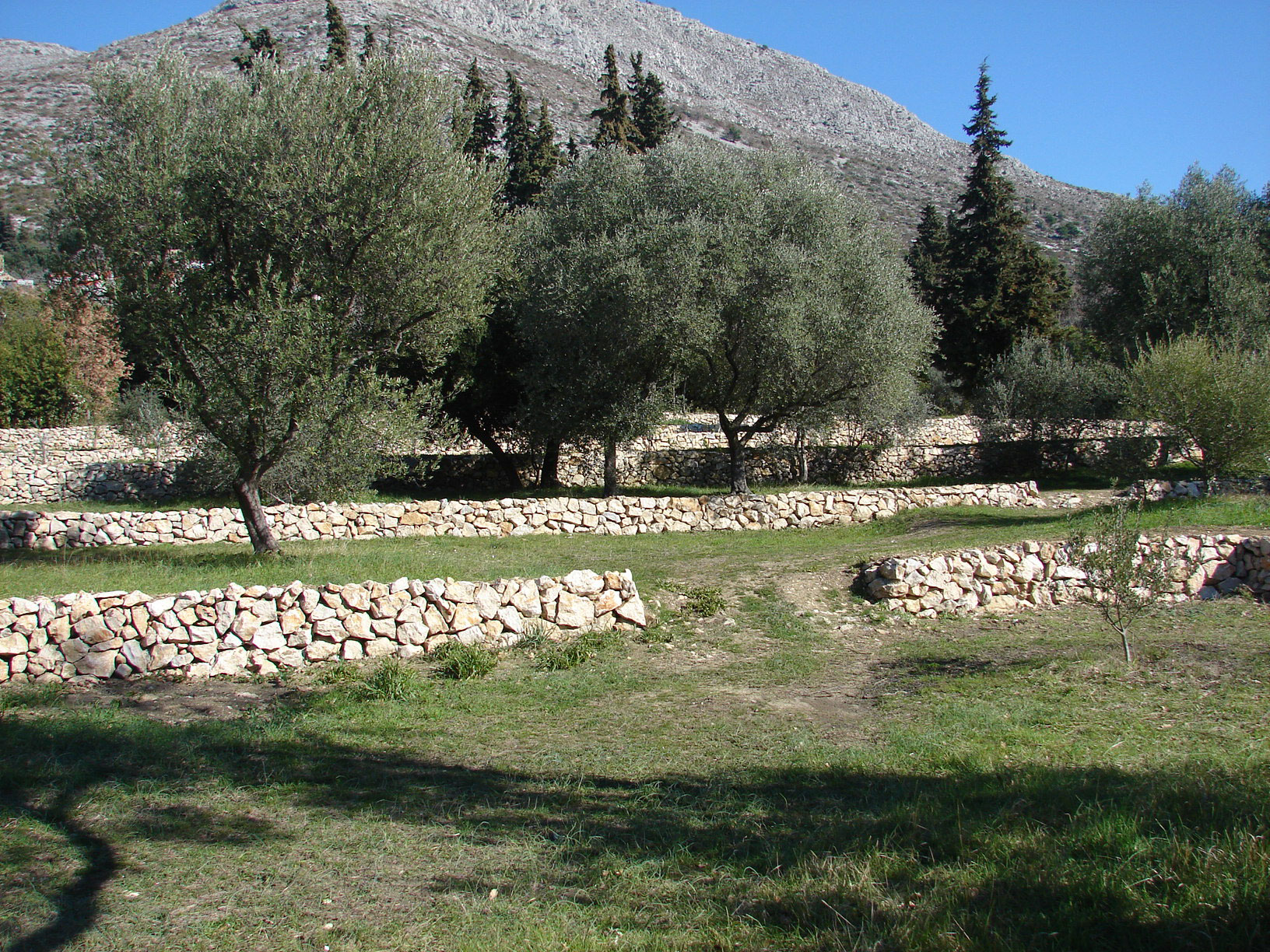
In 1905, in the western part of the estate, a new garden began to be arranged on the locality known as Drvarica on the basis of the old olive grove to the one part, and of natural macchia and garrigue vegetation
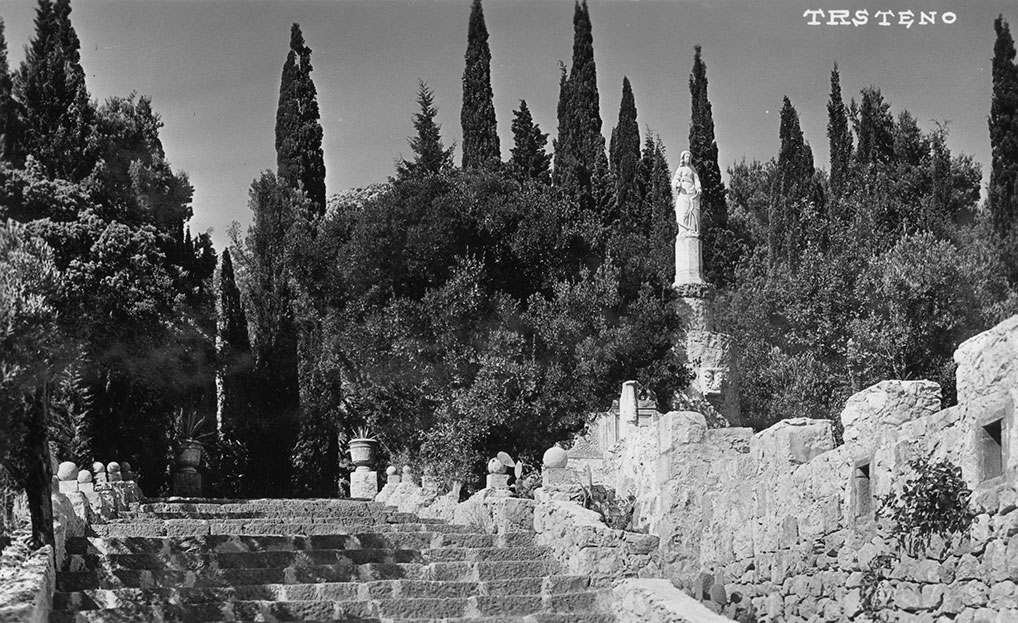
to the other. Exotic and autochthonous flora were planted. The layout follows historicist and late-Romantic models with numerous stone elements – terraces, belvederes, and stone staircases – sloping to the sea rocks. This part of the Arboretum was destroyed by fire on two occasions – in 1992 and in 2000.
After having been proclaimed an Arboretum in 1948, one part of the area and the facilities were opened to the public, whilst the other part was used for research work and regular maintenance. The first restoration was conducted in 1965, and the second in the 1980s, when four decorative parterre gardens (formal gardens) were rearranged.