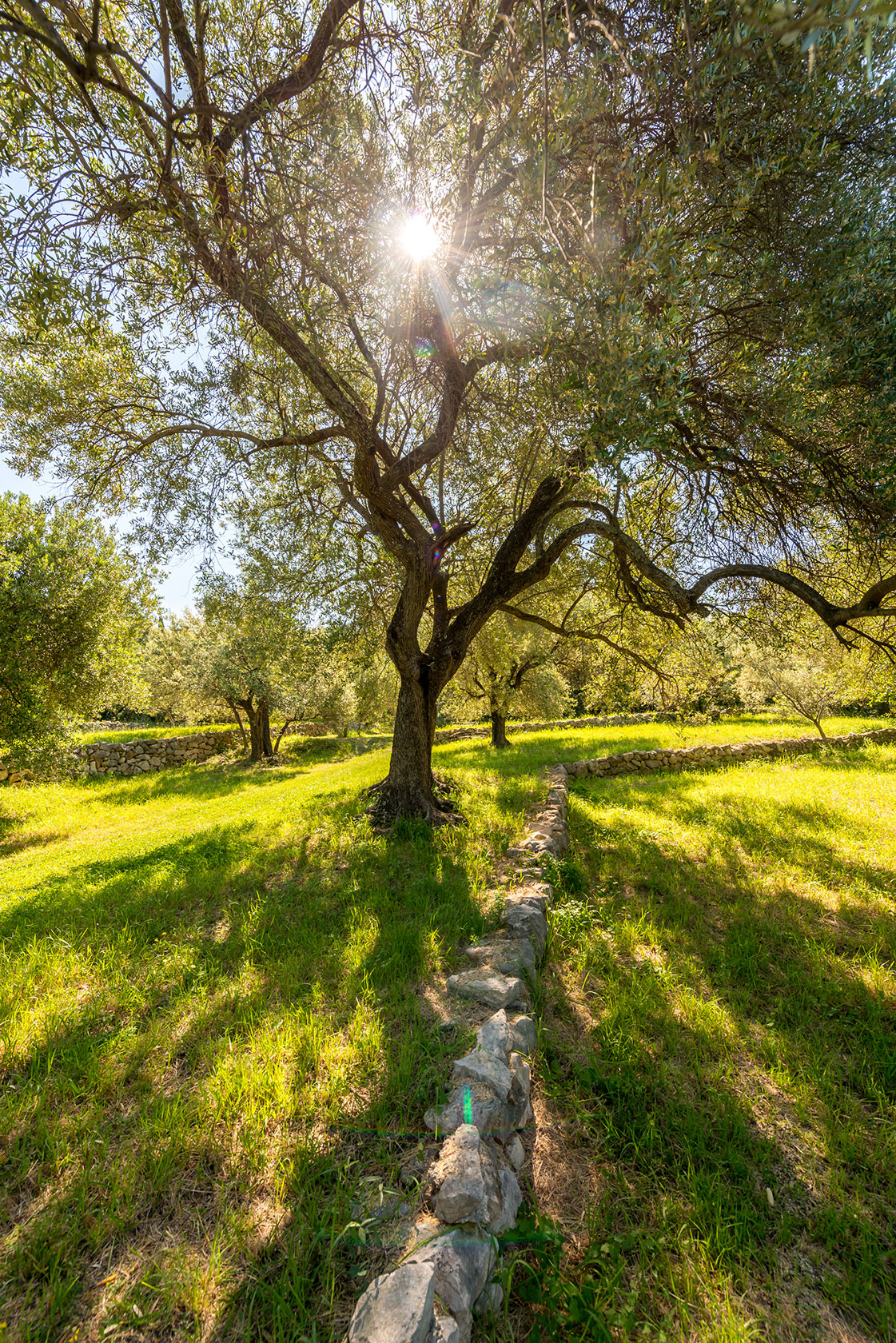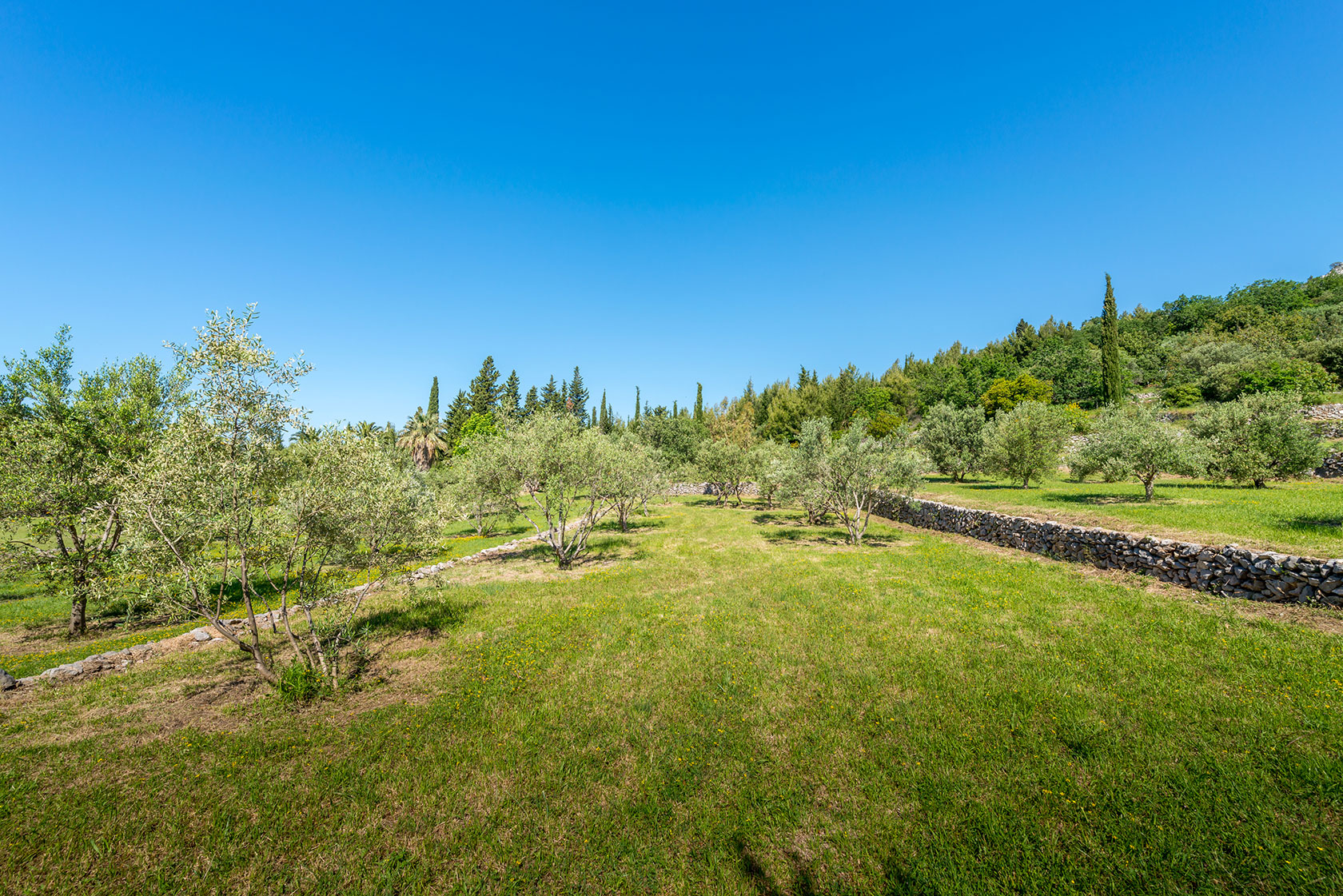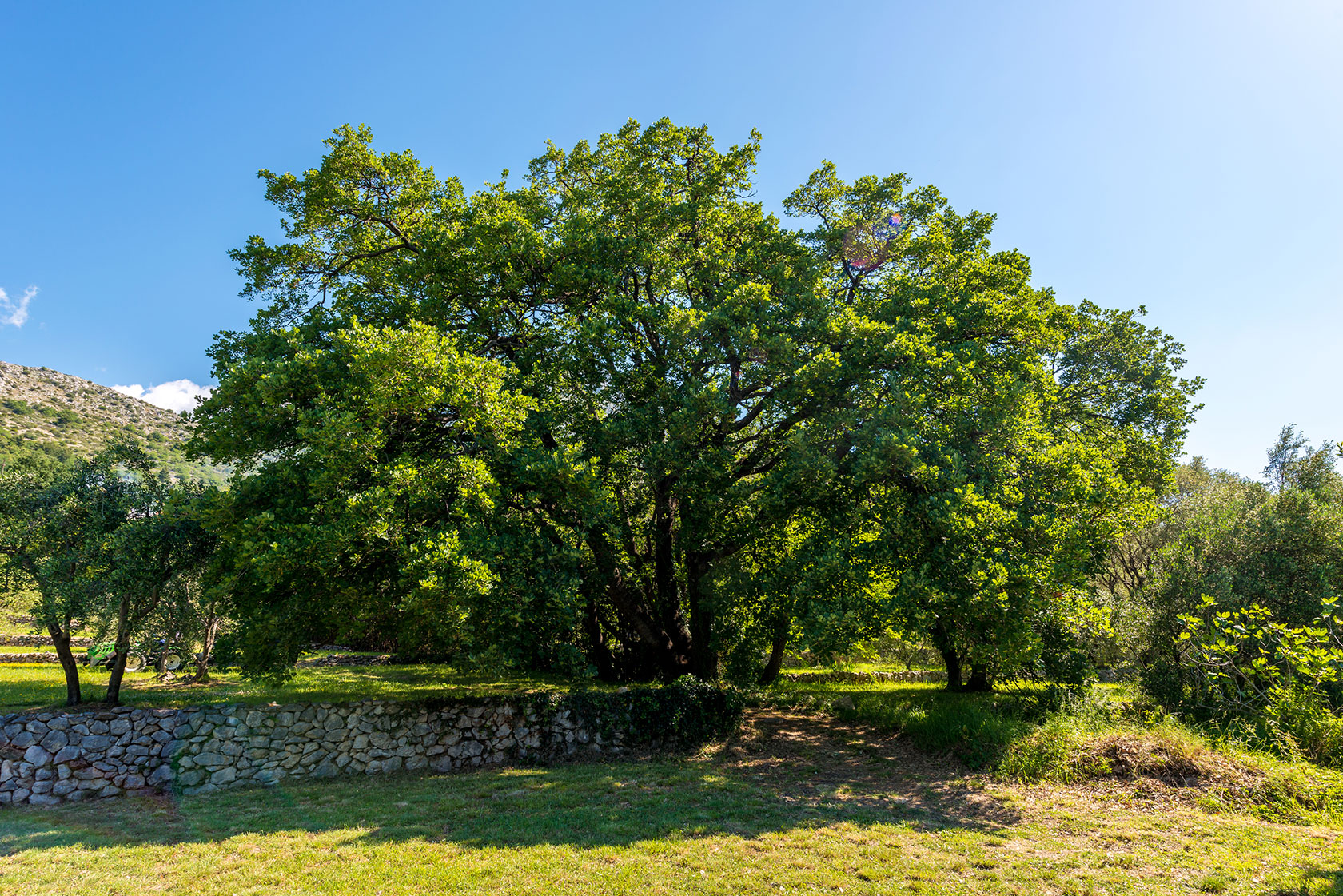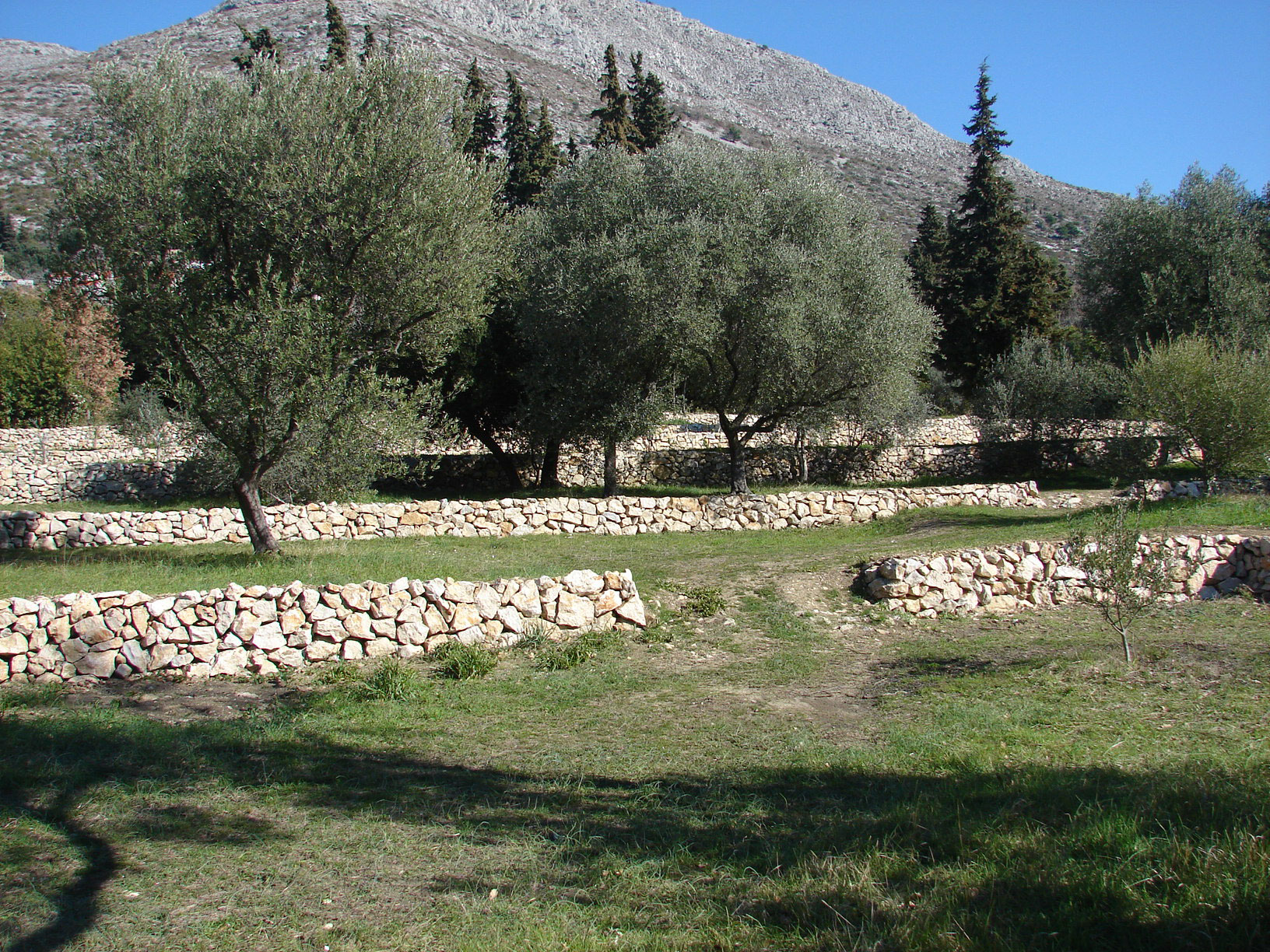


On the land estate in Trsteno, olives have been planted since the 16th century, but as few individual trees. Gučetić family bought olive oil for eating and as fuel for light.
The first record found so far about the oil obtained, and the serfs who grew olives in Trsteno, dates from 1717. During the 18th century, olive groves were intensively expanded and olives became the dominant crop.
The extent to which olive groves were enlarged at that time is shown by a record from 1735, when Gučetić planted 1,200 young olive trees in Trsteno in May.
During the first half of the 19th century, Gučetić’s estate reached its maximum capacity and continued to be cultivated by the largest recorded number of serfs to be deployed on that land. The lands were planted mostly with olives and vines. In Trsteno, 1,500 olive trees were grown privately and 5,900 olive trees were grown in the fields given to the serfs for cultivation. At that time, olives and vines were the basic crops in Dubrovnik and proved to be the only crop productive enough for export.
The increase in olive growing on the property was accompanied by the need for increased processing and additional outbuildings were being built. In addition to the old mill with one stone mill and one oak press, another with two mills and two presses are being arranged, and a new olive warehouse is being built opposite them. Already, during and after the First World War, remote olive groves began to be in s a state of neglect, in which natural vegetation rapidly dominated.
After the Second World War, when the rest of Gučetić’s land estate was declared an Arboretum, protected by law and handed over to the Croatian Academy of Sciences and Arts, the existing olive groves continue to be cultivated and used.