

At a time when the English landscape garden had already conquered Europe and gained momentum in expansion, Dubrovnik was experiencing its twilight and the last days of its Republic. The gardens have aged along with the summer villas and the last blows were dealt to them by the Russian-Montenegrin looting in 1806. and the abolition of the Republic in 1808.
The abandoned summer villas were offered for sale or left to the ravages of time. When the Austro-Hungarian rule was established after the political changes in the second half of the 19th century, new gardens began to be built and the old ones remade.
The first new garden began to be built in 1859 on Lokrum by Archduke Maximilian von Habsburg, after he bought it from the people of Dubrovnik. He added a new garden in addition to the old cloister Renaissance garden which extends to several terraces, extends in front of the new historicist summer villa and extends to the port of Portoč, and is decorated in historicist style and planted with many exotic plant species. The rest of the island was cultivated in the spirit of a landscape garden. Here Maximilian fulfilled his desire for a eumediterranean garden with citrus plantations and tropical and subtropical plants, which he could not realize in Trieste next to his Miramare castle three years earlier where the colder climate forced him to compromise in the realization of the northern Mediterranean garden.
Another new garden in the Dubrovnik area is being created on the island of Lopud. On April 2, 1886 Count Baltazar Bassegli-Gozze went by boat from Trsteno to Lopud to devise a plan for the garden for his friend August Mayneri and help implement it. Here he will apply his forty years of experience in planting and growing plants in Trsteno, as well as his good knowledge and developed sense of garden design in the spirit of his time. It is not known that another new garden was built in the 19th century, but many of the old ones were more or less remodeled or even given extensions whose distinctive historicist markings have been preserved to this day. The Renaissance Sorkočević garden in Komolac was newly renovated on the outer part next to the ponds.
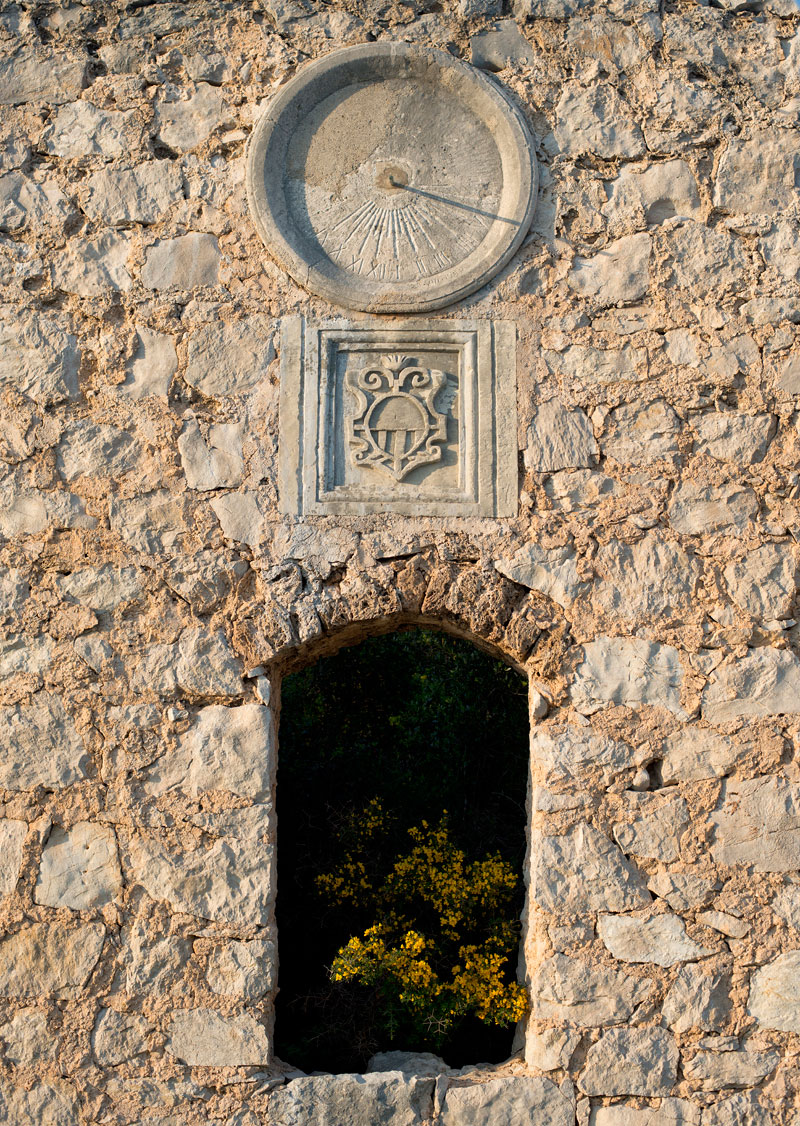
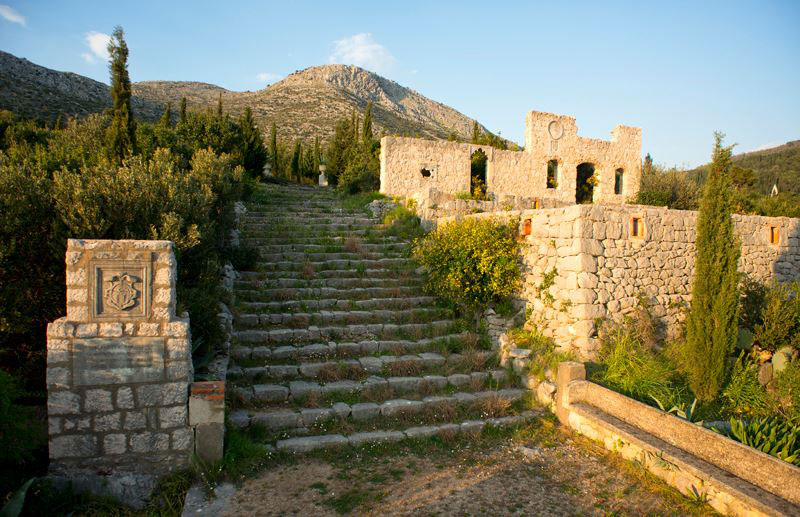
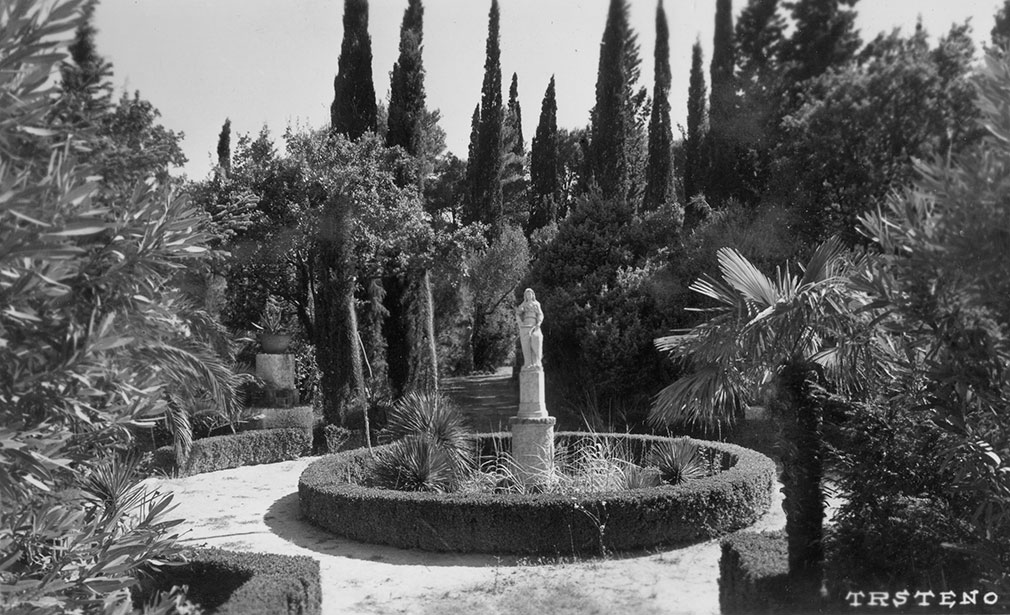
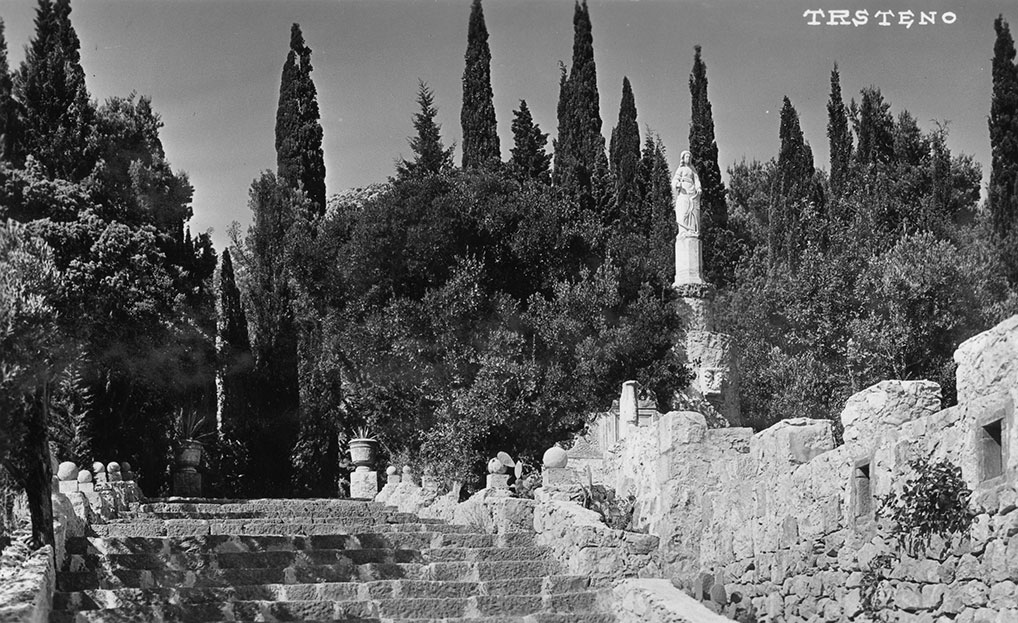
At the beginning of the 20th century the only complete new garden was built in Trsteno on the Gozza estate as a separate unit, not far from the old garden with a summer villa. With a size of 21,905 m2 it is the largest among Dubrovnik's gardens and surpasses even the Gradac public park (16,500 m2). It was designed and built by Vito Bassegli-Gozze as a characteristic garden of the late 19th and early 20th century, which belongs to the type of a complex garden with accentuated romantic staging and the building structure of the Mediterranean garden. Through the wealth of garden contents a very readable idea of presenting the history of the Dubrovnik aristocratic family Gozze is revealed.
The Gradac Park was opened and made available to the public in 1898. It was the first significant work of the Society for the Promotion of the Interests of Dubrovnik (today "Dub"). The Gradac Park is located on the south-eastern slope of the Gradac hill, which, facing the sea, rises above Danče.
Its size (16,500 m2) and dense forest vegetation near the old town, opposite the belt of old suburban gardens, has become an organic part of the panoramic image of the city. Its significance is greater because it belongs to a small group of only a few Dubrovnik parks built in the second half of the 19th century.
Today Gradac is the oldest existing public park in Dubrovnik because the one on the island of Lokrum, which has been arranged as a court country garden since 1859, only became a public garden in the 20th century.